
Picture New Orleans in the early 1800s.
Disclosure: Some links on our site are affiliate links. If you purchase a linked item, we will make a commission, at no extra charge to you.
A Virginia man named Thomas Jefferson Beale is here, having fled his home state after a duel he believed had killed his opponent. Jean Lafitte is operating out of the Louisiana bayous, running contraband and calling himself a privateer because it sounds better than what he actually is. Marie Laveau is building the spiritual and political power that will make her the most influential woman in the city’s history, practicing a form of Louisiana Voodoo that blends African tradition with French Catholicism in a way that is entirely possible only in New Orleans.
The city hosting all of them is barely twenty years American. It had been French, then Spanish, then French again before Thomas Jefferson bought it in 1803 in the largest real estate transaction in history. The result was a place that didn’t quite fit anywhere — Catholic in a Protestant nation, French-speaking in an English country, home to the largest free Black population in the South, running on a social architecture that had no equivalent anywhere else on the continent.
It was, in other words, exactly the kind of city that attracted exactly those kinds of people.
That was two hundred years ago. New Orleans is still doing it.
New Orleans Today: The City That Doesn’t Let Go
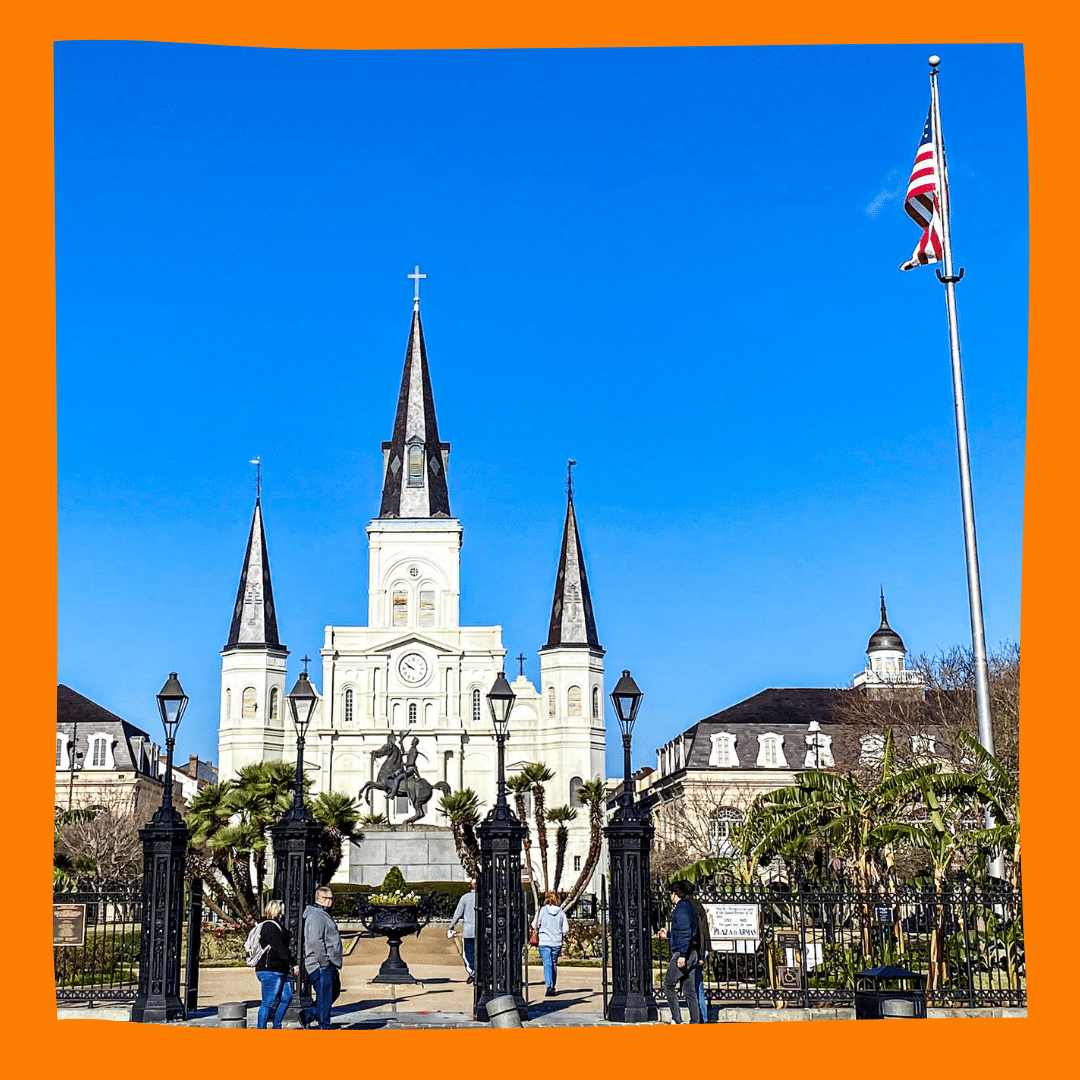
The French Quarter those men walked is still largely the one standing today. That is not a small thing. Two catastrophic fires — in 1788 and 1794 — destroyed most of the original French colonial buildings, and the Spanish who rebuilt them did so in their own architectural style. Which is why the wrought-iron balconies, the interior courtyards, the stucco facades that define the Quarter today look nothing like anything you’d find in France. The French Quarter is a Spanish neighborhood that kept its French name, which is very New Orleans.
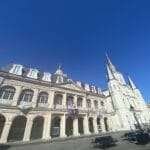
Walk it before you do anything else. The Quarter is only about thirteen blocks long and five blocks wide. At the center is Jackson Square — military parade ground under three flags, site of the Louisiana Purchase transfer in 1803, and home since 1856 to the equestrian statue of Andrew Jackson, hat raised toward the battlefield where he saved the city. The Cabildo on the square — Spanish colonial government building, Louisiana State Museum location — houses Napoleon’s death mask and one of the most honest presentations of the history of slavery in Louisiana available anywhere. Both are worth your time.
The streets smell the way you’d expect three centuries of a very good time to smell. You adjust quickly.
The Tremé: Where American Music Began
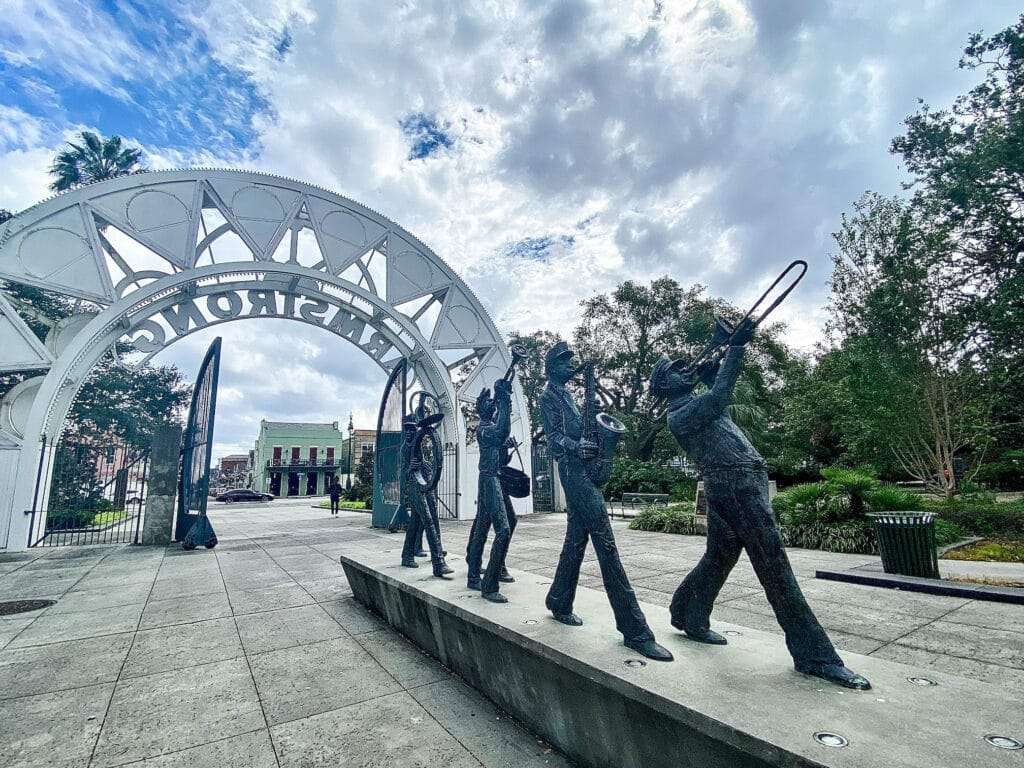
One block north of the French Quarter, the Tremé is the oldest African American neighborhood in the country. Congo Square — now part of Louis Armstrong Park — was the only place in the American South where enslaved and free Black residents were legally permitted to maintain African musical traditions, gathering on Sundays throughout the 18th and early 19th centuries. That legal anomaly, rooted in New Orleans’ French and Spanish Catholic heritage, produced jazz. Everything that came after it — blues, rock and roll, hip hop — has a root running back to this square.
The New Orleans Jazz Museum in the Old U.S. Mint building tells the full story from Congo Square to the present. It tells it well and doesn’t rush it.
The Garden District
When American settlers arrived after the Louisiana Purchase, the established Creole families of the French Quarter wanted nothing to do with them. The Americans settled across Canal Street and built their own neighborhood. The Garden District is what resulted — enormous antebellum mansions behind grand live oaks whose branches have grown to meet over the streets, anchored by the St. Charles Streetcar, one of the oldest continuously operating streetcar lines in the world. Lafayette Cemetery No. 1, directly across from Commander’s Palace restaurant, is one of the city’s above-ground cemeteries and is free to enter. The above-ground burial tradition exists because New Orleans sits mostly below sea level — early burial attempts resulted in coffins floating back up. The city solved the problem with engineering and turned it into art.
16 Must-Visit Locations for History Lovers in New Orleans
The Best Museums of New Orleans
Chalmette Battlefield: Thirty Minutes That Saved the City
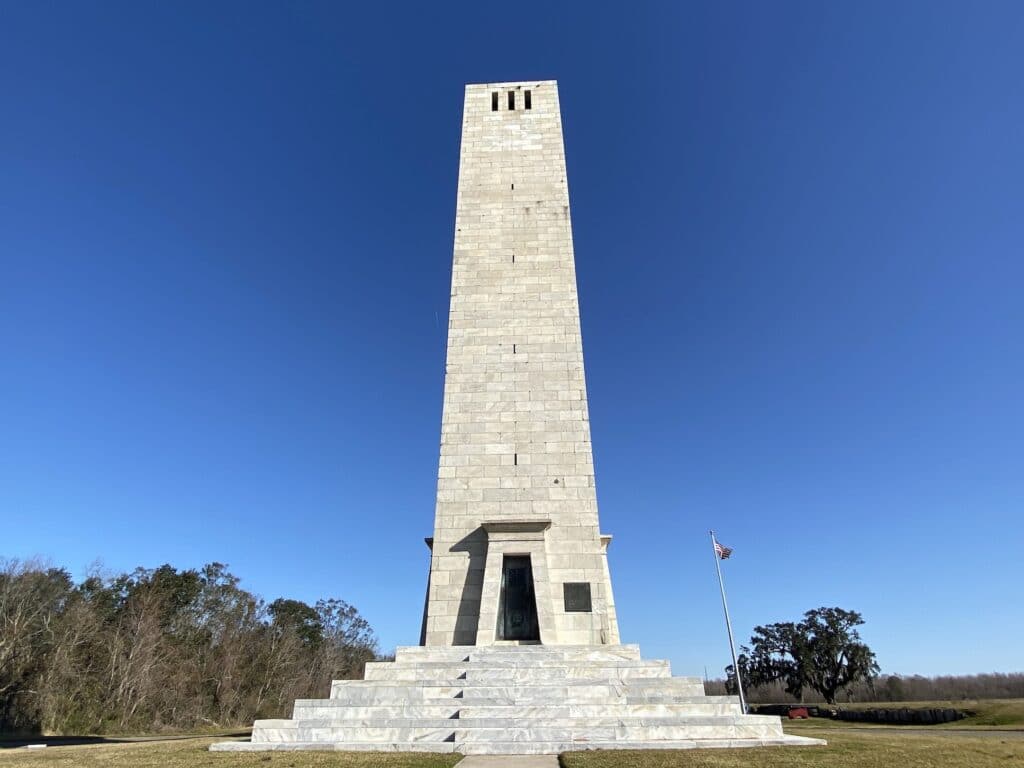
On January 8, 1815, Andrew Jackson’s improbable defensive line held against 8,000 British regulars — veterans of the Napoleonic Wars, men who had burned Washington D.C. months before — for approximately thirty minutes. The British suffered over 2,000 casualties. The Americans lost fewer than 100. General Pakenham was killed. The battle was already technically over — the Treaty of Ghent had been signed two weeks earlier — but the news hadn’t reached Louisiana, and the men who fought it didn’t know that.
The force Jackson assembled was characteristic of the city it was defending: regular Army soldiers, Louisiana militia, free men of color fighting under their own officers, Choctaw warriors, Kentucky and Tennessee sharpshooters, and Jean Lafitte’s privateers, pardoned in exchange for their cannons and their expertise. Thomas Jefferson Beale — the Virginia man who had arrived in New Orleans a few years earlier believing he’d killed a man in a duel — led a company of volunteers called the Beale Riflemen, positioned at the extreme right of the American line with the Mississippi River levee at their backs.
Beale is a figure we’ve researched extensively at Fitting in Adventure — read the full story at the link below.
Chalmette Battlefield is preserved today as part of Jean Lafitte National Historical Park and Preserve, about six miles downriver from the French Quarter. The reconstructed American rampart still runs along the Rodriguez Canal. Signs mark where each company stood. The park historians know this battle in granular detail — talk to them if they’re out. It is free, almost always uncrowded, and one of the most significant undervisited historic sites in Louisiana.
Visiting History: The Battle of New Orleans at Chalmette Battlefield
The Cryptic Life of Thomas Jefferson Beale
The Bars: Where New Orleans Actually Lives
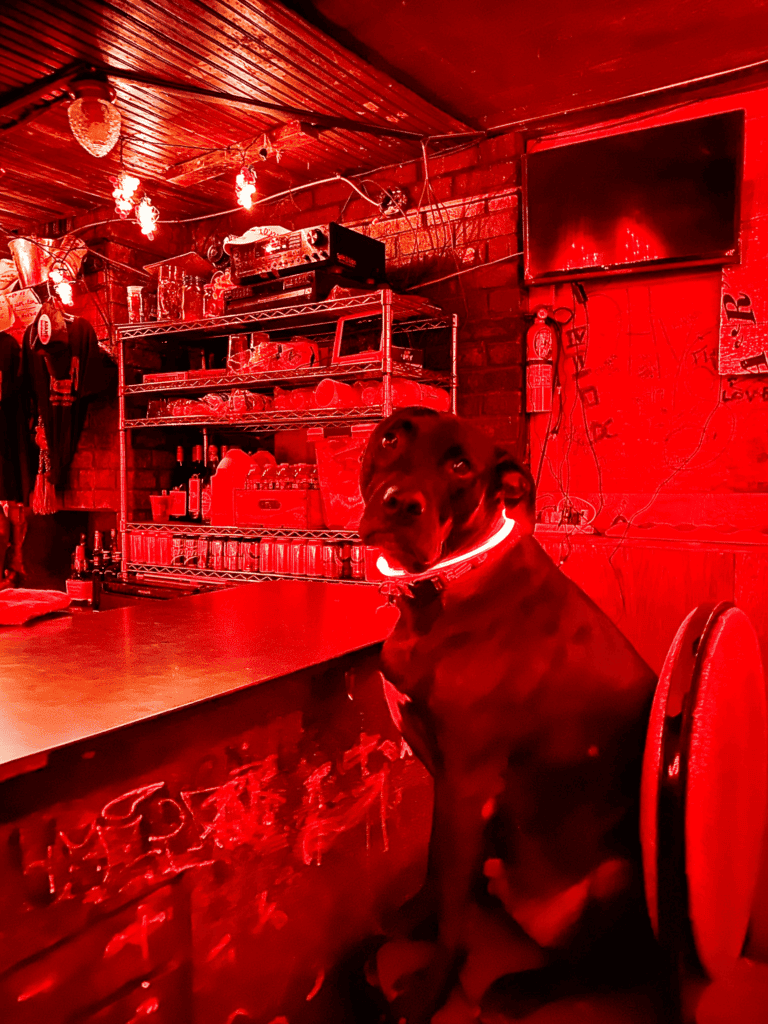
New Orleans has been a drinking city since before the United States existed, and the bars carry that history in their walls. Bourbon Street is mostly for people who want to say they went to Bourbon Street. The real bar culture is one block over on Royal Street, in the side streets of the Quarter, and in the neighborhood bars of the Marigny and the Tremé.
Lafitte’s Blacksmith Shop on Bourbon Street claims to be the oldest bar in the country, housed in one of the few original French colonial buildings that survived the fires. The candlelit interior at night is like nowhere else. The Old Absinthe House and Maspero’s Exchange both claim to have hosted Andrew Jackson’s meeting with Jean Lafitte before the battle. The historical record is unclear on which claim is more accurate. The argument has been going on for two hundred years and shows no signs of resolution, which is also very New Orleans.
The Sazerac Bar in the Roosevelt Hotel is where you order a Sazerac — the world’s first cocktail, invented in New Orleans in the 1830s, rye whiskey and Peychaud’s bitters in a glass rinsed with absinthe. Huey Long held court here when he was governor. He ran the state from a barstool and made no apologies for it.
13 Infamous & Historic Bars to Visit in New Orleans
The Food: The Real Argument for New Orleans
Dooky Chase’s Restaurant on Orleans Avenue has been feeding New Orleans since 1941. Leah Chase ran the kitchen for over six decades until her death in 2019 at the age of 96. During segregation, when Black Americans couldn’t eat in white-owned restaurants in New Orleans, Dooky Chase’s was where the civil rights movement gathered — Martin Luther King Jr., Thurgood Marshall, Ray Charles, all of them fed by a woman who understood that a meal at the right table was its own form of power. The Creole chicken is what people come for. It has been on that menu since the beginning.
New Orleans Creole food is its own culinary tradition, distinct from Cajun and distinct from anything produced anywhere else. French technique applied to Louisiana ingredients, built on African cooking knowledge that survived slavery because the enslaved cooks were the ones running the kitchens, enriched by Spanish, Native, and immigrant additions across three centuries. The holy trinity is onion, celery, and bell pepper. Everything builds from there.
Order the gumbo. Order red beans and rice on Monday — it’s when every New Orleans restaurant makes it because Monday was wash day and you needed something that cooked itself while you worked. Order beignets and accept that powdered sugar is going to happen to your clothing regardless of what precautions you take.
13 Must-Try Restaurants in New Orleans
Finding the Best Beignets in New Orleans
The National World War II Museum
The National World War II Museum exists in New Orleans because Andrew Higgins — a New Orleans businessman — designed the LCVP landing craft that made D-Day possible. Eisenhower said Higgins was the man who won the war. The museum opened on June 6, 2000, and has grown into one of the finest museums in the United States on any subject. Each visitor receives a dog tag of a real veteran on arrival and follows their story through the exhibits. Plan a minimum of three hours. A full day is not unreasonable.
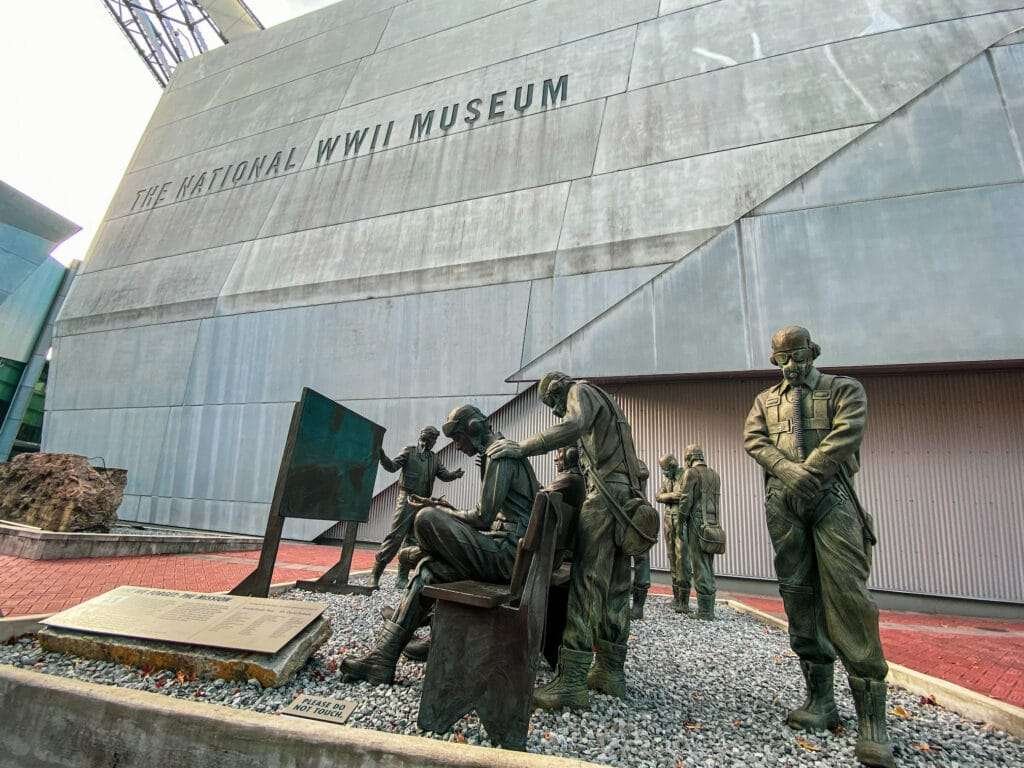
Visiting the National World War II Museum in New Orleans
What to Know Before You Go
How long: Three days minimum. More is better. New Orleans rewards slow travel.
Getting around: The French Quarter and Garden District are walkable. The St. Charles Streetcar handles the middle distance. Rideshare fills the gaps. Leave the car parked.
When to go: October through May. July and August are brutal — heat, humidity, hurricane season. Mardi Gras is extraordinary but requires booking a year ahead.
The streets: The French Quarter smells exactly like three centuries of a very good time. You adjust quickly.
Safety: Stay aware in the Quarter at night. The Marigny, Bywater, and Magazine Street are comfortable and worth exploring beyond the tourist corridor.
Frequently Asked Questions About New Orleans
What is New Orleans best known for historically?
New Orleans is best known historically for the Battle of New Orleans (1815), the Louisiana Purchase (1803), its role as the birthplace of jazz in the Tremé neighborhood, and its unique Creole culture shaped by French, Spanish, African, and Native American influences across three centuries.
Who was Marie Laveau?
Marie Laveau was the Voodoo Queen of New Orleans, a free woman of color who became one of the most powerful figures in the city’s 19th-century history. She practiced Louisiana Voodoo — a blend of African spiritual traditions and French Catholicism — and wielded significant social and political influence in a city uniquely structured to allow it.
What was Jean Lafitte’s role in the Battle of New Orleans?

Jean Lafitte was a privateer operating out of the Louisiana bayous who offered his men, ships, and cannons to General Andrew Jackson in exchange for pardons. Jackson accepted. Lafitte’s men and artillery helped hold the American line at the Battle of New Orleans on January 8, 1815, one of the most decisive American military victories in history.
Is Chalmette Battlefield worth visiting?
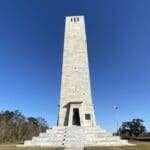
Yes. Chalmette Battlefield, part of Jean Lafitte National Historical Park and Preserve, is one of the most significant and most undervisited historic sites in Louisiana. It is free, almost always uncrowded, and the park historians know the battle in detail that no guidebook captures.
What is Creole food?
Creole food is New Orleans’ distinctive cuisine — French technique applied to Louisiana ingredients, built on African cooking knowledge, enriched by Spanish and Native American contributions across three centuries. It is distinct from Cajun food, which comes from the rural parishes outside the city. The foundation is the holy trinity: onion, celery, and bell pepper.
Explore New Orleans with Fitting in Adventure
Visiting History: The Battle of New Orleans at Chalmette Battlefield
The Cryptic Life of Thomas Jefferson Beale
13 Infamous & Historic Bars to Visit in New Orleans
13 Must-Try Restaurants in New Orleans
Finding the Best Beignets in New Orleans
The Best Museums of New Orleans
Visiting the National World War II Museum
16 Must-Visit Locations for History Lovers in New Orleans