
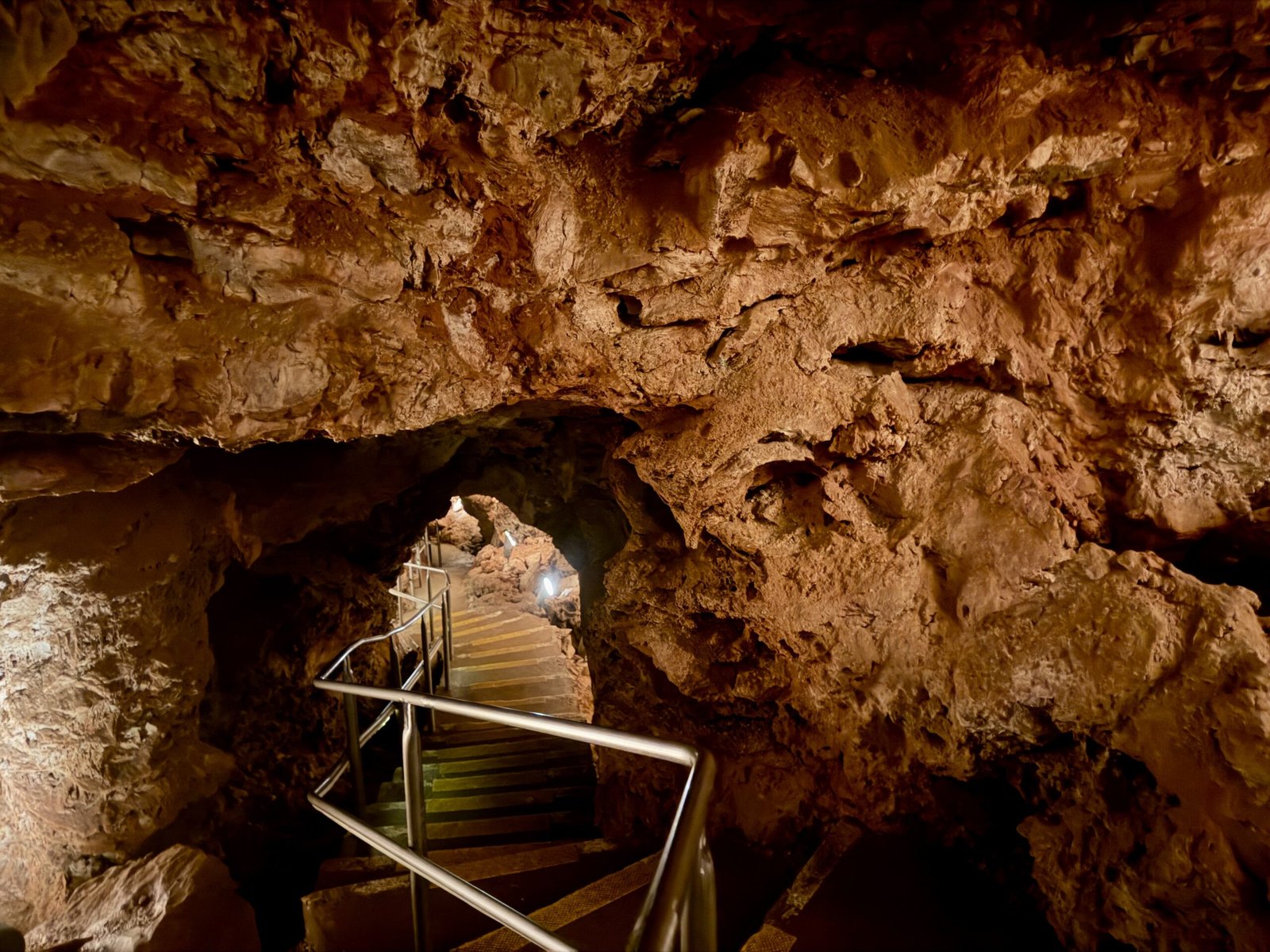
Wind Cave National Park sits about twenty-five minutes north of Hot Springs, and it does something most cave systems don’t: it gives you two completely separate experiences for the price of one. Above ground, there’s a mixed-grass prairie with bison, elk, and prairie dog towns. Below ground, there’s one of the most complex cave systems in the world and a geological formation so rare that Wind Cave contains more of it than anywhere else on Earth.
Disclosure: Some links on our site are affiliate links. If you purchase a linked item, we will make a commission, at no extra charge to you.
We drove up from Sunrise Ridge Campground on a day we’d reserved for the cave tour. The surface surprised us as much as the interior did. Most visitors go straight to the visitor center and underground — the prairie above is worth slowing down for first.
The tour we took was the Garden of Eden. Fair warning: there are a lot of steps, and the cave holds at 53 degrees Fahrenheit year-round. Bring a layer even in July.
Quick Answer: Wind Cave National Park
Wind Cave National Park is located in the southern Black Hills of South Dakota, approximately 25 minutes north of Hot Springs. Established in 1903, it is one of the oldest national parks in the U.S. and contains the world’s highest known concentration of boxwork cave formations.
- Best for: Cave and geology enthusiasts, wildlife viewers, families, RV travelers using Hot Springs as a basecamp
- Time needed: 2–5 hours (cave tour plus surface exploration)
- Cave temperature: 53°F year-round — bring a layer regardless of surface conditions
- Reservations: Strongly recommended in summer — tours sell out; book at recreation.gov
- Passes: America the Beautiful pass accepted
🕑 Tour availability and visitor center hours vary by season. Confirm current hours before visiting.
What Makes Wind Cave Geologically Unusual
Most people have seen stalactites and stalagmites. Boxwork is different, and Wind Cave is the place to understand why.
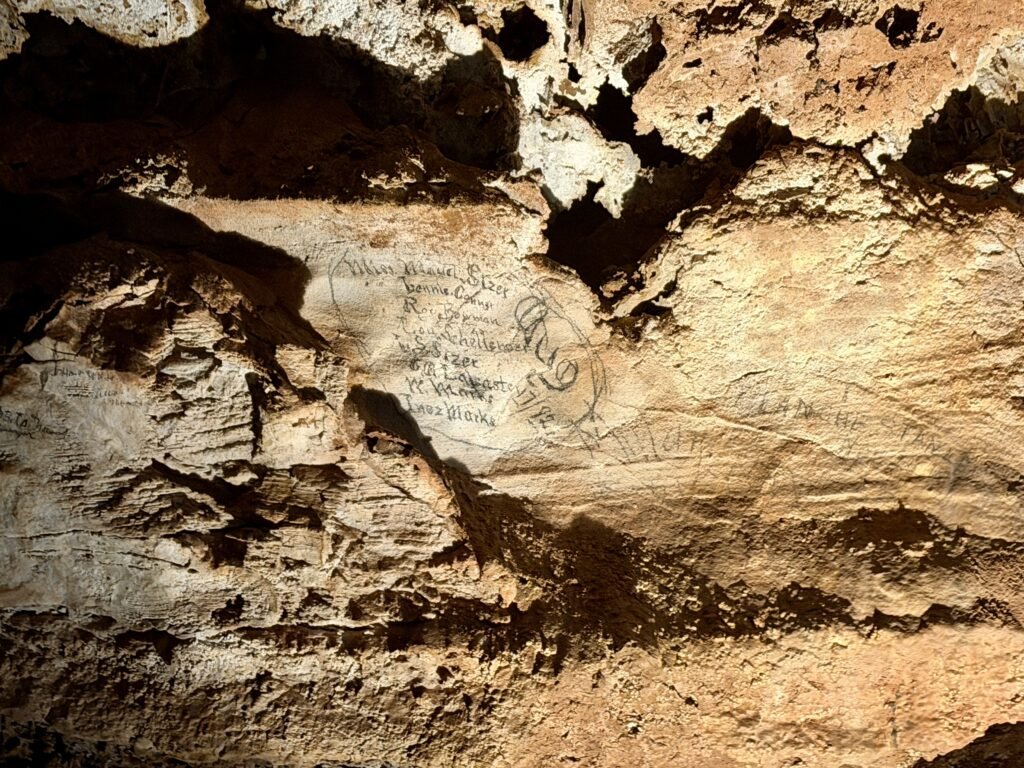
Boxwork consists of thin calcite fins that project from cave walls and ceilings in intersecting patterns, creating honeycomb-like structures that look almost architectural. They formed when calcite-filled cracks in the limestone resisted erosion while the surrounding rock dissolved away, leaving the fins exposed. Scientists estimate Wind Cave contains roughly 95 percent of all known boxwork in the world.
What you’re seeing underground isn’t just a cave — it’s the primary example of something that barely exists anywhere else on Earth.
The Garden of Eden Tour: What It’s Actually Like
The Garden of Eden tour is one of Wind Cave’s more accessible options, but accessible doesn’t mean flat. There are stairs — a noticeable number — and the passages involve some ducking and close maneuvering. If mobility is a consideration, check the NPS site for the Fairgrounds tour, which has better accessibility ratings.
The tour lasts approximately 45 minutes to an hour. Groups are ranger-led; the guides tend toward specificity rather than broad storytelling. The cave temperature holds at 53 degrees Fahrenheit, which feels sharply cold after a warm Black Hills day.
The boxwork in the Garden of Eden section is dense and well-lit. Photos don’t fully capture it — the dimensionality of the formations is what makes them striking, the way they extend from the ceiling and walls in overlapping fins rather than hanging from a single point.
The Surface: Don’t Drive Straight to the Visitor Center
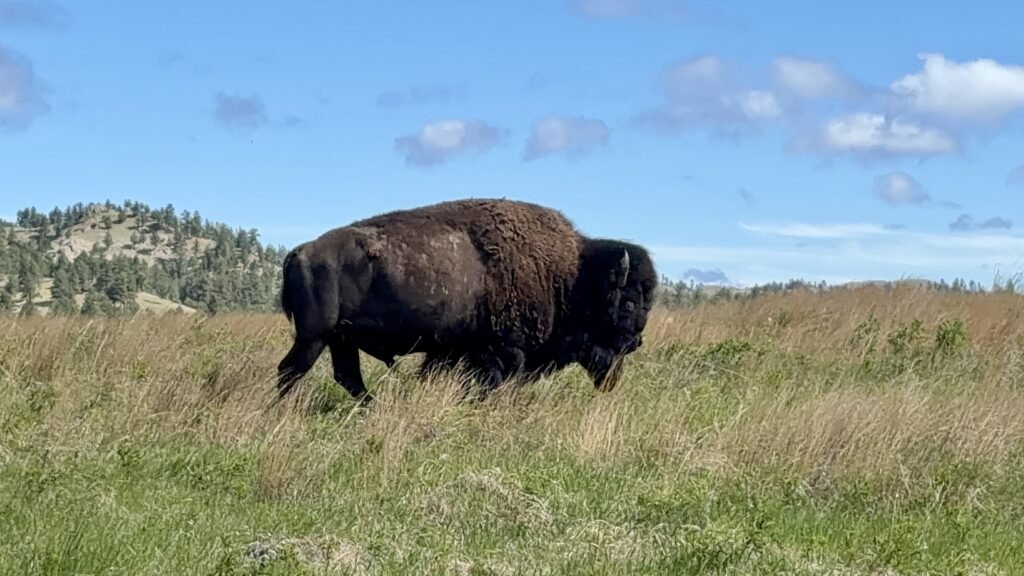
The mixed-grass prairie above Wind Cave is one of the least-visited parts of the park and one of its better arguments. The park protects one of the few remaining intact mixed-grass prairie ecosystems in the United States, and bison graze it freely. Prairie dog towns are scattered across the flats.
Combining a morning on the surface roads with an afternoon cave tour makes for a full day without feeling rushed. If you’re also planning Custer State Park’s Wildlife Loop Road, the two are close enough to pair without significant backtracking.
How Wind Cave Fits Into a Hot Springs Itinerary
From Sunrise Ridge Campground, Wind Cave is a straightforward 25-minute drive north. It pairs naturally with Custer State Park on the same day — finish the cave tour, then loop through the Wildlife Loop Road on the way back south.
For the basecamp overview, read our [Hot Springs, South Dakota basecamp guide].
Planning Tips
- Reserve cave tours well in advance at recreation.gov — especially for July and August
- Garden of Eden tour involves significant stairs — confirm fitness requirements before booking
- Cave temperature is 53°F year-round — bring a layer regardless of surface weather
- America the Beautiful pass covers the entrance fee
- Visitor center exhibits are worth 20 minutes before the tour
- Cell service limited inside the park — download maps and tour confirmation before arriving
🕑 Visitor center and tour hours vary by season. Confirm current hours before visiting.
Little-Known Facts About Wind Cave
- Established in 1903, Wind Cave is one of the first cave systems in the world to receive federal protection as a national park.
- The Lakota people knew of the cave long before European-American exploration; the cave entrance features in oral tradition as a place of spiritual significance.
- Wind Cave “breathes” — air moves forcefully in and out of the natural entrance depending on atmospheric pressure differences between the cave interior and the surface.
- The cave system has more than 150 miles of mapped passages, and exploration is ongoing.
- Wind Cave contains an estimated 95 percent of all known boxwork formations in the world.
How far is Wind Cave from Hot Springs, SD?
Approximately 25 minutes north via US-385. One of the most convenient national park stops from a Hot Springs basecamp.
Which Wind Cave tour is best for first-time visitors?
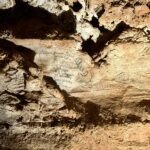
The Garden of Eden tour is a solid starting point — manageable length, good boxwork viewing. Be prepared for stairs. The Fairgrounds tour is better for visitors with mobility limitations.
Do you need reservations for Wind Cave tours?
Yes. Tours sell out well in advance in summer. Book through recreation.gov before your trip.
What is boxwork?
Boxwork is a rare cave formation made of thin intersecting calcite fins that create honeycomb-like patterns on cave walls and ceilings. Wind Cave contains an estimated 95 percent of all known boxwork in the world.
Can you see wildlife at Wind Cave National Park?
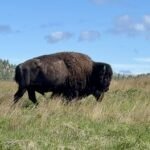
Yes. The mixed-grass prairie supports free-roaming bison, elk, prairie dogs, and other wildlife. Surface roads and walking paths allow access without going underground.
Is Wind Cave worth visiting if you’ve already seen other caves?
Yes, specifically because of the boxwork. If you’ve only seen stalactite and stalagmite caves, Wind Cave looks unlike anything else. The surface prairie ecosystem is also worth the visit independently.
The Garden of Eden tour is a reasonable introduction to what Wind Cave does — but the boxwork is better understood from the inside than from any description of it. Bring a layer, book the tour before you leave home, and leave time for the prairie. The bison don’t follow a schedule, and the morning light on the grasslands before the tour crowds arrive is worth the early start.
Where We Stayed
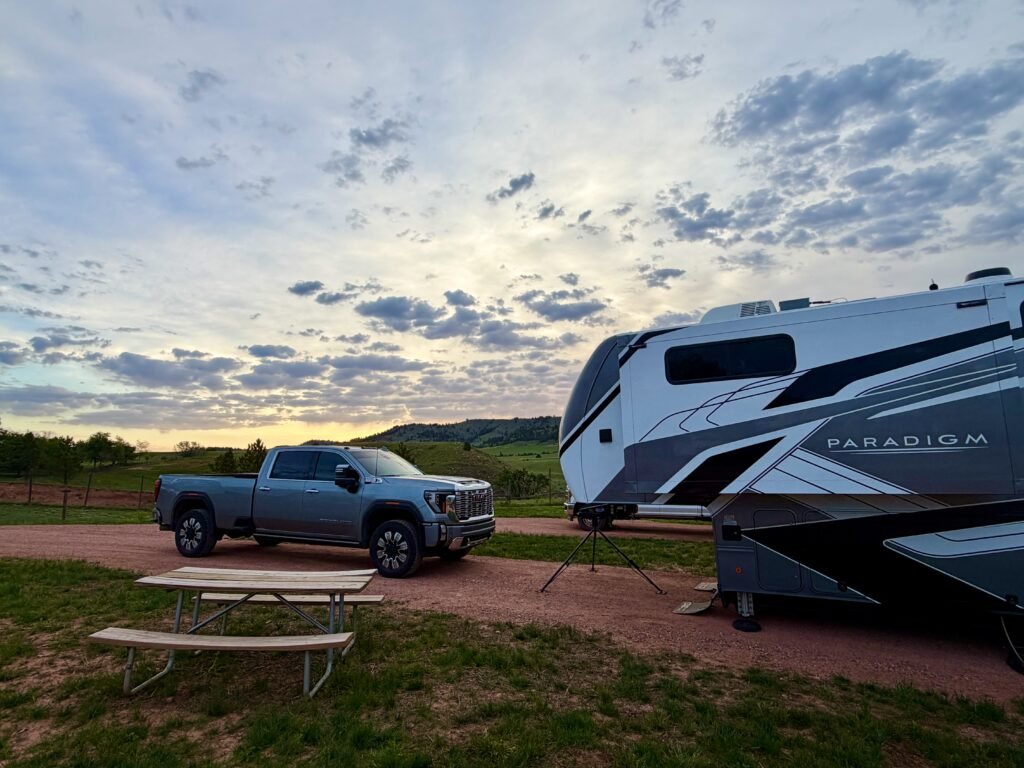
We based our Hot Springs trip out of Sunrise Ridge Campground in Hot Springs, South Dakota — about 25 to 40 minutes from most of the stops in this guide. Level sites, quiet property, and there’s a small petting zoo on-site if you’re traveling with kids.
This was a complimentary stay in exchange for coverage. All opinions are our own.

Vince DiLoreto spent 20 years in the United States Air Force seeing the world before deciding to see it properly — this time with a camera, an RV, and considerably better food. A trained photographer and the visual half of Fitting in Adventure, Vince captures the places, people, and moments that make every trip worth telling. When he’s not behind the lens, he’s behind the wheel, which means he’s seen every gas station between Florida and the Pacific Northwest.