
Suppose you’ve ever dreamed of digging up your own diamond, swapping Bigfoot stories in a roadside mart, or learning the surprising truth about one of America’s most famous weapons. In that case, it’s time to put Arkansas on your travel list. This Southern state has a knack for mixing quirky folklore, presidential history, and real-deal pioneer grit in ways you don’t quite expect.
Disclosure: Some links on our site are affiliate links. If you purchase a linked item, we will make a commission, at no extra charge to you.
On our latest adventure, we set out to explore a side of Arkansas that most folks drive right past. We hunted for treasure at Crater of Diamonds State Park, stepped back into the 1940s at Bill Clinton’s birthplace, tracked down the legendary Boggy Creek Monster, and uncovered the real history behind the famous Bowie knife. Spoiler alert: it wasn’t Jim Bowie swinging that original blade.
If you’re visiting Arkansas and want a trip packed with history, surprises, and a little mud between your toes, here’s where to go and why you’ll want to stay awhile.
Arkansas: A Tapestry of History, Lore, and Unique Wonders
Long before its official incorporation as a U.S. state in 1836, the verdant lands now recognized as Arkansas were vibrant territories inhabited by diverse Native American tribes. The Quapaw, known for their agricultural prowess and intricate pottery; the Osage, a powerful nation with a vast hunting domain; and the Caddo, celebrated for their mound-building and extensive trade networks, all left an indelible mark on the landscape and its earliest narratives. The shifting tides of European colonial power saw the land change hands repeatedly between the French, Spanish, and finally, the Americans. Each dominion left its unique imprint, weaving a rich tapestry of cultural influences, linguistic nuances, and fascinating folklore that continues to resonate within the state’s identity today.
Arkansas’s strategic location meant it played a pivotal, albeit often overlooked, role in some of America’s most transformative historical epochs. It was a crucial frontier in the nation’s westward expansion, a gateway to the vast uncharted territories that lay beyond the Mississippi. Later, its deeply divided loyalties placed it at the heart of the American Civil War, witnessing bitter battles and profound social upheaval that reshaped its future. Yet, beyond these grand historical narratives, it is often the quieter, stranger, and more idiosyncratic stories that truly captivate and endure in Arkansas. This is a land where outlaw tales of daring exploits and hidden treasures are whispered around campfires, where monster legends of cryptids lurking in shadowed forests persist in local lore, and where unexpected connections to iconic American figures emerge from the most surprising corners of its past.
Indeed, Arkansas specializes in unearthing and offering up these little-known slices of history and unique phenomena—the kind of stories that are so compelling, you’ll immediately want to share them with friends. Whether it’s tracing the true, gritty origins of the legendary Bowie knife, a weapon synonymous with frontier self-reliance and American ingenuity, or exploring the extraordinary reality of the world’s only public diamond mine, the Crater of Diamonds State Park, Arkansas consistently provides glimpses into a past that is both peculiar and profoundly fascinating. These are not merely historical facts; they are invitations to delve deeper into a state that proudly showcases its distinctive character and the many remarkable facets of its enduring legacy.
Best Time to Visit Arkansas
Arkansas is beautiful year-round, but if you’re planning to dig for diamonds, chase down Bigfoot, or wander historic pioneer towns, timing matters.
- Spring (March to May): Mild temperatures and blooming wildflowers make outdoor adventures a breeze. Trails and parks are lush, and crowds stay manageable.
- Fall (September to November): Arguably the best season for road trips through Arkansas. Cooler air, brilliant foliage, and local festivals pepper the calendar.
- Summer (June to August): Hot and humid, especially in July, but a great time for water-based adventures and diamond digging if you don’t mind sweating a little.
- Winter (December to February): Mild compared to northern states, with some chilly nights. Historic towns like Washington are extra charming around the holidays.
If you’re heading specifically for Crater of Diamonds State Park, plan for cooler months when sifting through dirt in the Arkansas heat is a bit more comfortable.
Things to Do When Visiting Arkansas
Dig for Treasure at Crater of Diamonds State Park
Location: Murfreesboro, Arkansas
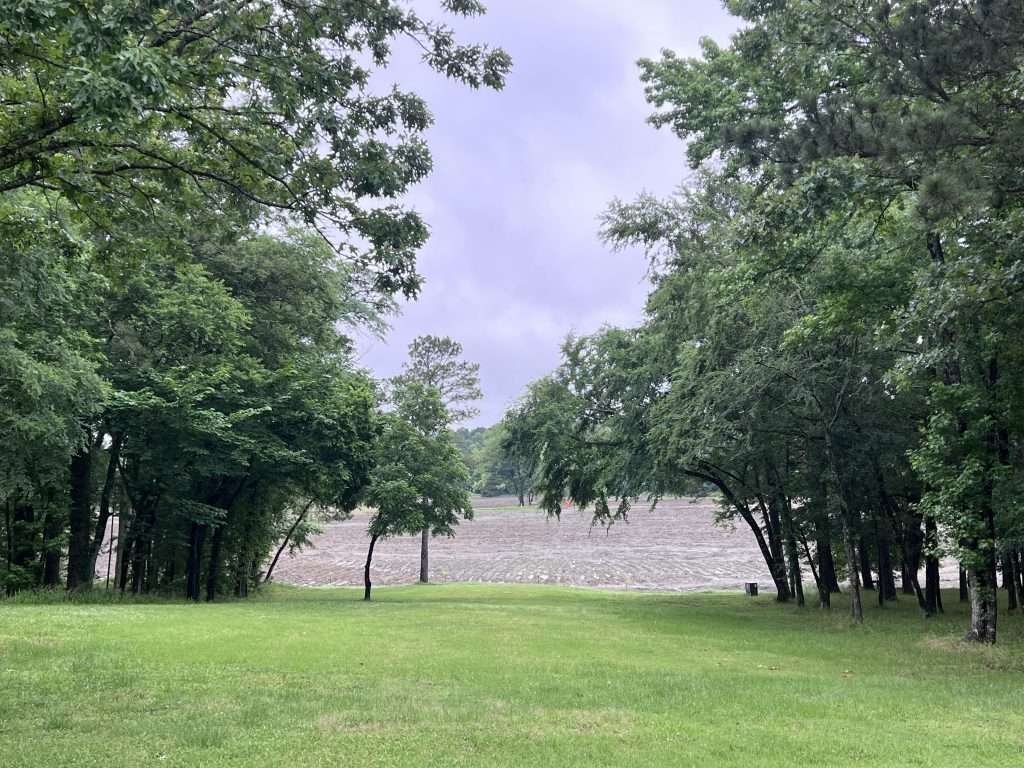
Crater of Diamonds State Park, located in Murfreesboro, Arkansas, is a unique geological site and a major tourist attraction. It is the only diamond-producing site in the world open to the public where visitors can search for and keep any diamonds they find.
History of the Crater of Diamonds
The story of the Crater of Diamonds began in August 1906, when John Huddleston, a local farmer, discovered two unusual crystals on his property. Thinking they might be valuable, he sent them to a gem expert, who identified them as diamonds. This discovery sparked a “diamond rush” to Murfreesboro, transforming the quiet farming community into a bustling hub for prospectors and investors.
Several attempts were made to establish commercial diamond mining operations at the site, but none proved consistently profitable. The geology of the deposit, an eroded lamproite pipe, makes traditional large-scale mining challenging.
In 1952, the land was opened to the public as a private tourist attraction. Visitors could pay a fee to search for diamonds. This model proved successful, and the site gained popularity among gem enthusiasts and curious travelers.
Recognizing the unique nature and historical significance of the site, the State of Arkansas purchased the diamond-bearing land in 1972, and it officially became Crater of Diamonds State Park. The park has since been managed by the Arkansas Department of Parks, Heritage and Tourism, ensuring public access and conservation of this extraordinary natural resource.
What is Crater of Diamonds Today?
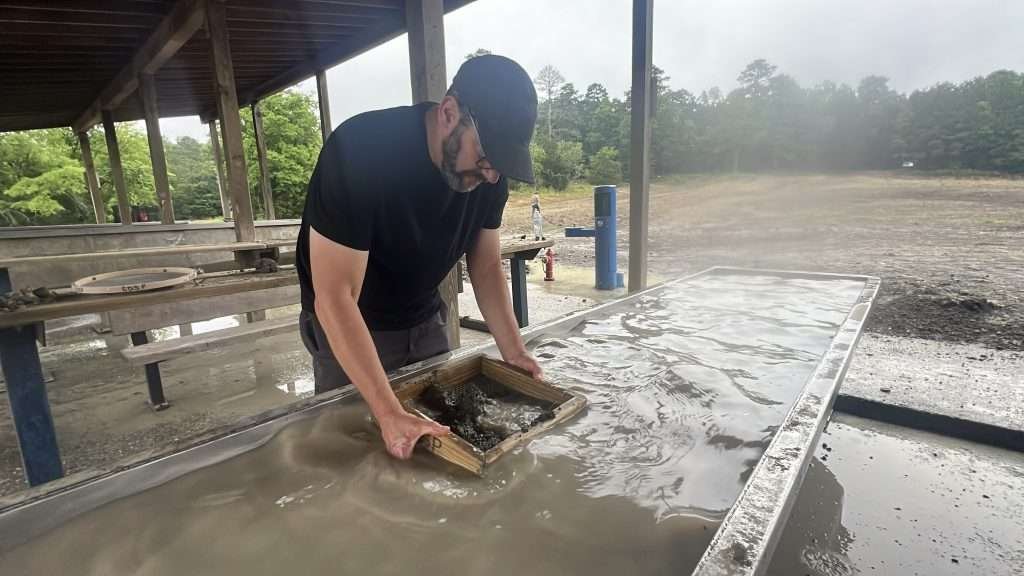
Today, Crater of Diamonds State Park spans 911 acres, with the 37-acre diamond search area being the star attraction. This search area is an eroded volcanic pipe, where diamonds were brought to the surface millions of years ago. The park provides tools for rent, and rangers are on hand to help identify finds and offer tips on searching techniques.
The park is famous for the significant diamonds found there, including the “Uncle Sam” diamond, the largest diamond ever found in the United States, weighing 40.23 carats, and the “Strawn-Wagner” diamond, a perfect D-flawless 3.03-carat white diamond. Many smaller diamonds are found regularly, giving visitors the thrilling possibility of unearthing their own precious gem. Beyond diamond searching, the park also offers a visitor center with exhibits on the geology of the area and the history of diamond discoveries, a gift shop, picnic areas, and walking trails, making it a comprehensive recreational and educational destination.
There’s a certain thrill that comes with knowing you might unearth a sparkling, million-dollar stone with your own two hands. At Crater of Diamonds State Park, folks of all ages grab their buckets and screens, head to a 37-acre plowed field, and sift through ancient volcanic soil for rough diamonds and semi-precious stones.
Over 35,000 diamonds have been discovered here since the early 1900s. The largest? A whopping 40.23-carat Uncle Sam diamond, unearthed in 1924.
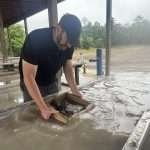
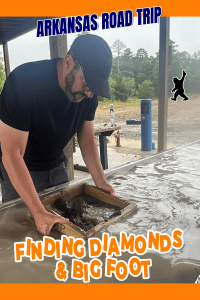
We showed up optimistic, rented our gear, and started digging. Pro tip: don’t be afraid to ask rangers for tips — they’ll happily tell you where recent finds have happened. While we didn’t strike it rich, the experience was genuinely fun, and the stories we brought home were worth their weight in gold.
Fun Fact: On average, park visitors find 1-2 diamonds a day. Most are small, but notable finds still make headlines.
Step into Presidential History at the William Jefferson Clinton Birthplace Home
Location: Hope, Arkansas

Journey to the charming town of Hope, Arkansas, where you’ll discover a poignant piece of American history: the humble white-frame house that served as Bill Clinton’s childhood home. Now preserved as the William Jefferson Clinton Birthplace Home National Historic Site, this unassuming residence offers a captivating glimpse into the formative years of a future president.

Step inside and be transported back to the 1940s. The site meticulously preserves the original rooms and furnishings, creating an authentic atmosphere that evokes the simplicity of Clinton’s early life. This is not a self-guided experience; instead, knowledgeable guides lead visitors through the home, sharing intimate stories about young Bill, his mother Virginia, and his grandparents, who played a pivotal role in raising him.
The guided tour is a required part of the experience and offers invaluable insights beyond what a mere visual inspection could provide. You’ll hear anecdotes that paint a vivid picture of the challenges and influences that shaped Clinton’s character. It’s a testament to the fact that even from the most modest beginnings, extraordinary destinies can emerge. This simple home, with its deeply personal and rich backstory, stands as a powerful symbol of the journey that led a boy from Hope, Arkansas, all the way to the White House.
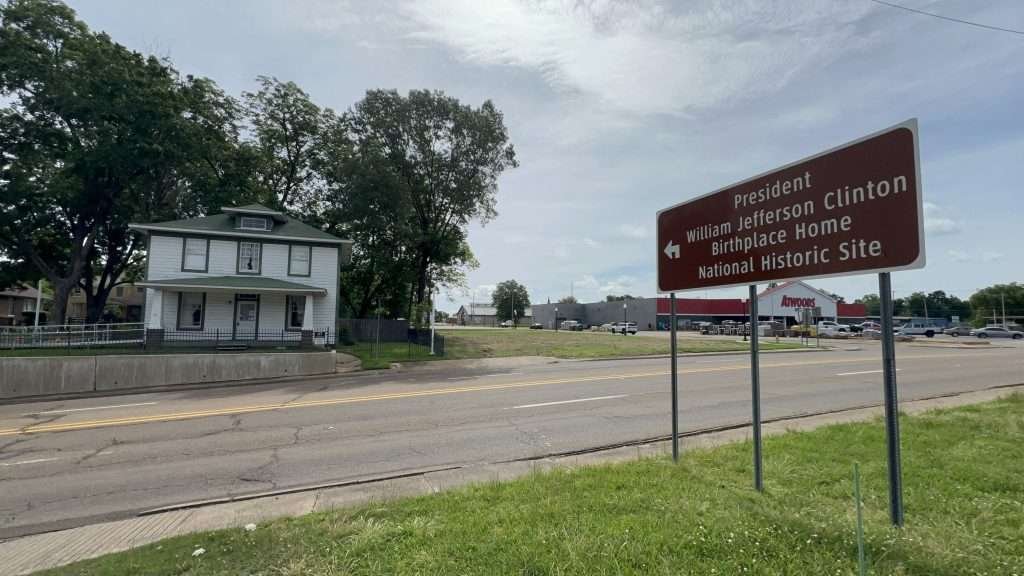
Traveler Tip: Tours are free and run about 30 minutes. If you visit in summer, go early to avoid the afternoon heat.
Go Monster-Hunting at Monster Mart in Fouke
Location: Fouke, Arkansas
The Fouke Monster: A Deep Dive into Arkansas’s Cryptid Legend
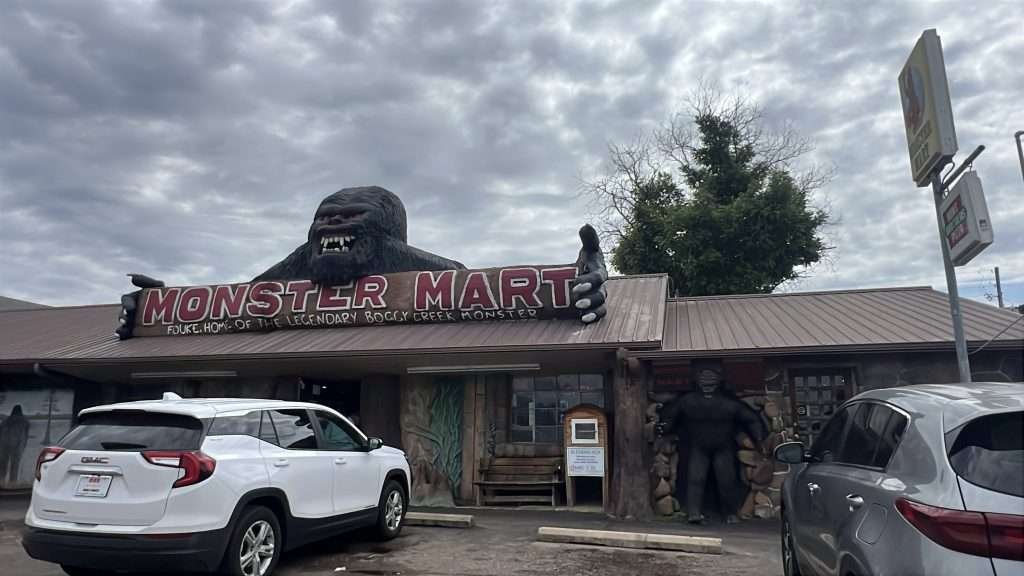
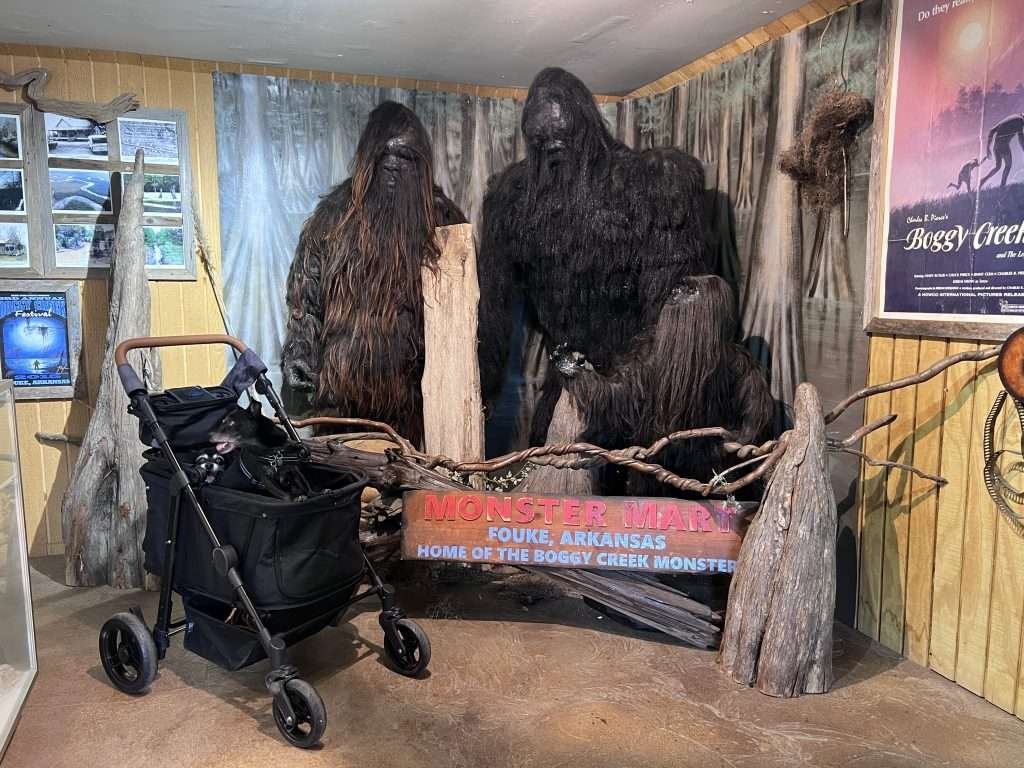
For those unfamiliar with the Boggy Creek Monster, a quick chat with any Fouke local will undoubtedly bring you up to speed. This enigmatic Southern Sasquatch has captivated imaginations for decades, soaring to national prominence following the 1972 cult horror docu-drama, The Legend of Boggy Creek. Its legend is deeply woven into the fabric of the region, with reported sightings stretching as far back as the 1940s and remarkably continuing into the very recent past, even as recently as last year. The creature, often described as a large, hairy, bipedal ape-like being, is said to inhabit the swampy, dense woods surrounding Fouke, leaving behind a trail of mystery and a peculiar, pungent odor.
At the very heart of this quirky, enduring legend stands the Monster Mart. What began as a humble gas station has been transformed into an unmissable tourist destination, a vibrant testament to the town’s embrace of its monstrous inhabitant. Inside, visitors are transported into the world of the Fouke Monster, surrounded by an eclectic collection of monster footprint casts, meticulously preserved newspaper clippings detailing decades of encounters, and an array of delightfully over-the-top souvenirs. From “Boggy Creek Monster” t-shirts and hats to novelty keychains and even bottled “swamp water,” the Monster Mart offers a full immersion into the cryptid’s lore. It’s a quintessential example of roadside Americana at its finest, a delightful blend of kitsch, curiosity, and genuine local pride.
Even for the most skeptical of visitors, those who might not subscribe to the existence of cryptids, a stop at the Monster Mart is an absolute must if you’re traveling through. The sheer richness of the folklore alone makes it a compelling destination. It offers a fascinating glimpse into how a local legend can evolve, capturing the imagination of a community and ultimately, a nation. Beyond the monster-themed merchandise, the experience provides an opportunity to connect with the unique cultural heritage of Fouke and witness firsthand the enduring power of storytelling in rural America.
Uncover the Real Story of the Bowie Knife at Historic Washington State Park
Location: Washington, Arkansas
Historic Washington State Park in Arkansas stands as a meticulously preserved testament to 19th-century Southern life, boasting one of the most impressive collections of period buildings. More than just a static display, it’s a vibrant living history site where visitors can step back in time. Demonstrations by skilled blacksmiths bring the past to life, pioneer homes offer a glimpse into early American domesticity, and the frontier-era courthouses evoke the spirit of law and order in a burgeoning nation.
However, the park holds a particularly captivating claim to fame, one that resonates deeply within the annals of American folklore: it’s the birthplace of the perfected Bowie knife. While popular legend often attributes the creation of the iconic blade directly to Jim Bowie himself, the truth is far more intricate. The legendary knife was, in fact, masterfully crafted here by the ingenious blacksmith James Black.
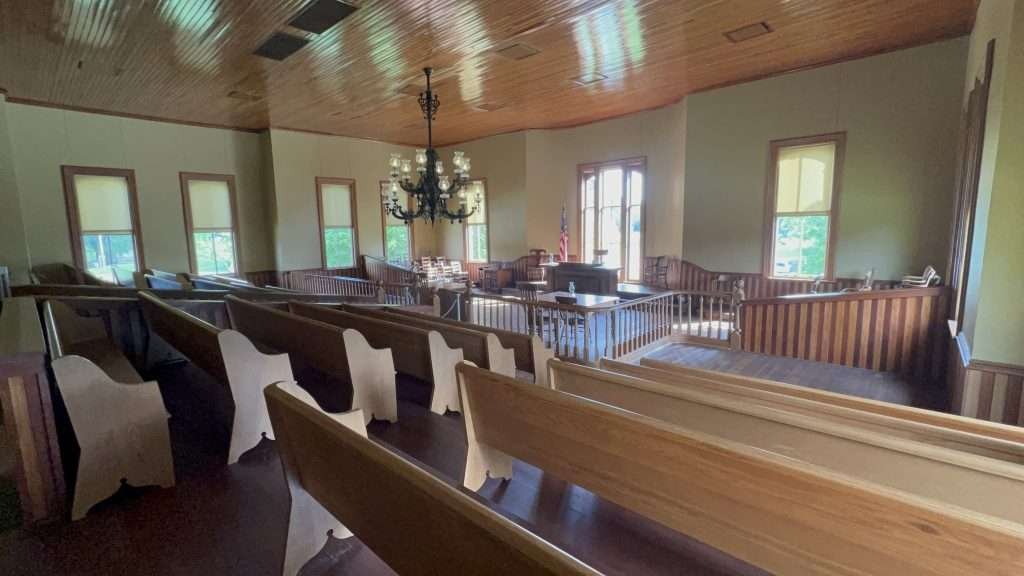
Tip: The park’s guided tours are excellent — knowledgeable guides bring Arkansas’ pioneer past to life with stories you won’t find in history books.
FAQs About Visiting Arkansas
Is Arkansas worth visiting for travelers who aren’t into the outdoors?
Absolutely. While known for its natural beauty, Arkansas also offers rich history, quirky roadside attractions, and small towns with big personalities.
How much does it cost to dig for diamonds?
As of 2025, it’s $15 for adults, $7 for kids 6-12, and free for ages 5 and under. Equipment rentals are available onsite.
Are there still Bigfoot sightings in Arkansas?
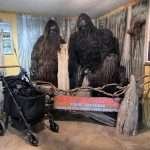
Local legend says yes! Whether you believe or not, Fouke’s Monster Mart keeps the legend alive with memorabilia and recent sighting reports.
Can you tour Bill Clinton’s birthplace without a reservation?

Yes. Guided tours are first-come, first-served during operating hours.
Is Washington State Park kid-friendly?

Kids love the blacksmith demonstrations, stagecoach rides (seasonal), and old-timey town atmosphere.
Arkansas surprised us in all the right ways. It’s a place where history and legend live side by side, where you can dig for actual diamonds and chase down Bigfoot stories all in the same weekend. The people are welcoming, the stories are unforgettable, and the road trip routes are some of the prettiest in the South.
If you’re visiting Arkansas soon, leave room in your itinerary for these offbeat stops — they just might become the highlights of your trip.

Angela DiLoreto is a bestselling author, former Fortune 500 marketing executive, and a passionate advocate who successfully worked to change stalking laws in several states after a family friend was murdered by her stalker. That fight — for justice, for voices that weren’t being heard, for stories that needed to be told — runs through everything she does. She and her husband Vince travel the country by RV with their two rescue chihuahuas, Gracie and Loki, chasing history, great food, and the overlooked people and places that shaped America. Angela created Fitting in Adventure and the Historic Footnotes series because the best stories are usually the ones nobody’s heard yet.