

Some places aren’t just cities on a map — they’re stages where legends lived, loved, and left their mark. Nashville is one of those places. While most visitors roll into Music City chasing the neon lights of Broadway or the hallowed halls of the Grand Ole Opry, a quieter, deeper heartbeat pulses just beneath the surface. It belongs to Johnny Cash, the Man in Black, whose story is forever entwined with this city’s streets.
Disclosure: Some links on our site are affiliate links. If you purchase a linked item, we will make a commission, at no extra charge to you.
This guide isn’t just about walking through a museum exhibit. It’s about retracing the steps of an icon who bared his soul in lyrics and lived his life out loud, flaws and all. From a lakeside hideaway that once offered Johnny refuge to the walls of a downtown museum filled with memories, we’re diving into the places that shaped and remember him. Whether you’re a lifelong fan or simply curious about the man behind the legend, there’s a powerful story waiting for you in Nashville.
The History of Johnny Cash in Nashville
Johnny Cash wasn’t born in Nashville, but like so many musicians before him, he found his voice there. Born in Kingsland, Arkansas, in 1932, Cash grew up during the Great Depression, working the cotton fields and falling in love with gospel music. After a stint in the Air Force and a marriage to his first wife, Vivian, Cash set his sights on Memphis and then Nashville, where he would become one of country music’s most enduring figures.
By the late 1950s, Cash was a star. Songs like “I Walk the Line” and “Folsom Prison Blues” had rocketed up the charts, and Nashville’s burgeoning music scene welcomed him with open arms. But Cash was never just a country star. He defied labels, blending gospel, folk, rockabilly, and blues into a sound that was uniquely his own.
Nashville wasn’t just the place where Johnny recorded hits; it was where he lived his complicated, colorful life. His early days were marked by relentless touring and struggles with addiction, but also deep friendships with artists like Waylon Jennings and Willie Nelson. In 1968, his marriage to June Carter brought both personal happiness and creative collaboration, producing some of the most beloved duets in music history.
In later years, Cash became a voice for the downtrodden, performing for prison inmates and speaking out on social issues. His connection to Nashville endured through every chapter of his life, until his passing in 2003. Today, the city carries his story in both grand memorials and quiet corners.
Following Johnny Cash’s Path in Nashville
Johnny Cash’s Hideaway Farm (Bon Aqua, TN)
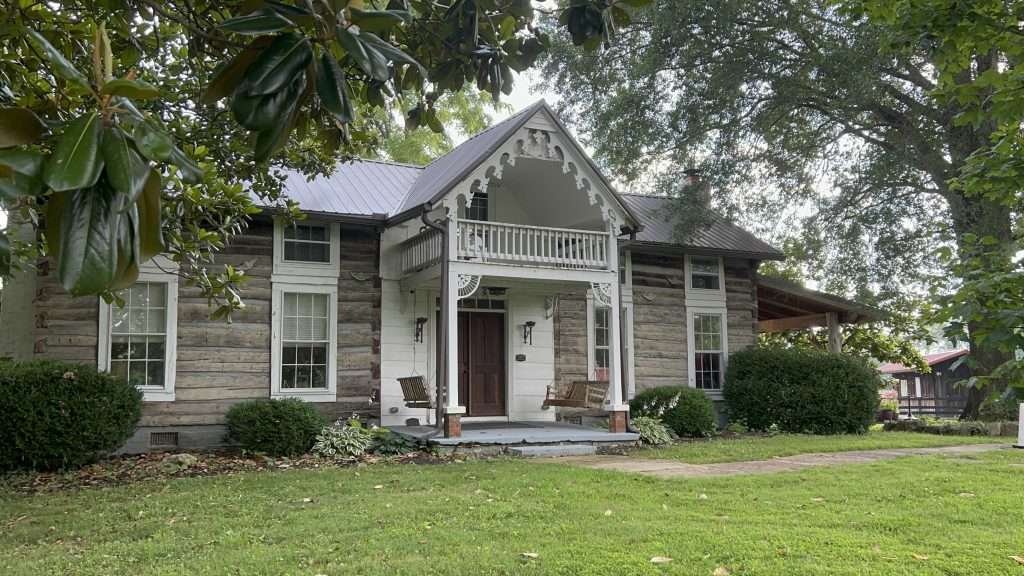
About 40 minutes west of Nashville, nestled in the serene Tennessee countryside, lies one of Johnny Cash’s most personal sanctuaries — the Hideaway Farm in Bon Aqua. This quiet rural property, often called “the center of my universe” by Cash himself, was where the Man in Black truly escaped the relentless pressures of celebrity life. While his official residence in Hendersonville was home, Bon Aqua offered a soul-restoring solitude that was essential for his well-being and creativity.
Cash unknowingly purchased the farm in the 1970s as his accountant was shuffling some money through real estate purchases for his own benefit. Johnny sold off most the properties but immediately fell in love with the Hideaway Farm and opted to keep it. The cabin quickly became his cherished refuge for decades. It was here that he found a respite from the demanding schedules and constant public scrutiny. The Hideaway Farm was a place where he could unwind, entertain a close circle of friends, work on new musical material without interruption, and simply find the peace that so often eluded him in the bustling city. The sprawling acreage provided a much-needed connection to nature, allowing him to reconnect with his roots and inner self. Upon visiting, you will find the inspiration Johnny did in the peacefulness.
Today, the property is lovingly preserved and open to the public as Storytellers Hideaway Farm & Museum. Visitors are invited to step into the world of Johnny Cash, experiencing the authentic atmosphere of his personal retreat. When you visit, you can tour the modest farmhouse where Cash slept, penned lyrics, and famously strummed his guitar on the front porch, absorbing the tranquil energy that inspired so much of his later work.
The museum features a rich collection of personal items that offer intimate glimpses into his life off-stage. Among the exhibits, you’ll find heartfelt family photos, handwritten notes that reveal his thoughts and creative processes, and even his old pickup truck, a testament to his down-to-earth persona. Beyond the farmhouse, a barn on the property has been thoughtfully converted into a performance venue. This rustic setting often hosts local musicians who play heartfelt tribute shows or intimate acoustic sets, keeping the spirit of Cash’s music alive in the very place he found his deepest inspiration.
A visit to the Hideaway Farm feels deeply personal — it’s a stark contrast to the more polished and commercial attractions found in downtown Nashville. This authenticity is precisely what makes it all the more powerful. It’s one of those rare places where you don’t just learn about Johnny Cash through artifacts and displays; you feel his enduring presence, his spirit, and the profound connection he had to this sacred ground. It offers a unique and unforgettable insight into the man behind the legend, revealing the quiet moments that shaped the iconic sound and enduring legacy of Johnny Cash.
Location: 9347 Old Highway 46, Bon Aqua, TN
Open: Seasonal hours — check their website for times.
Admission: Varies by event and tour package.
If cost or time is an issue, choose the Hideway Farm over the downtown Nashville museum to get a sense of Johnny’s life in Tennessee.
The Johnny Cash Museum
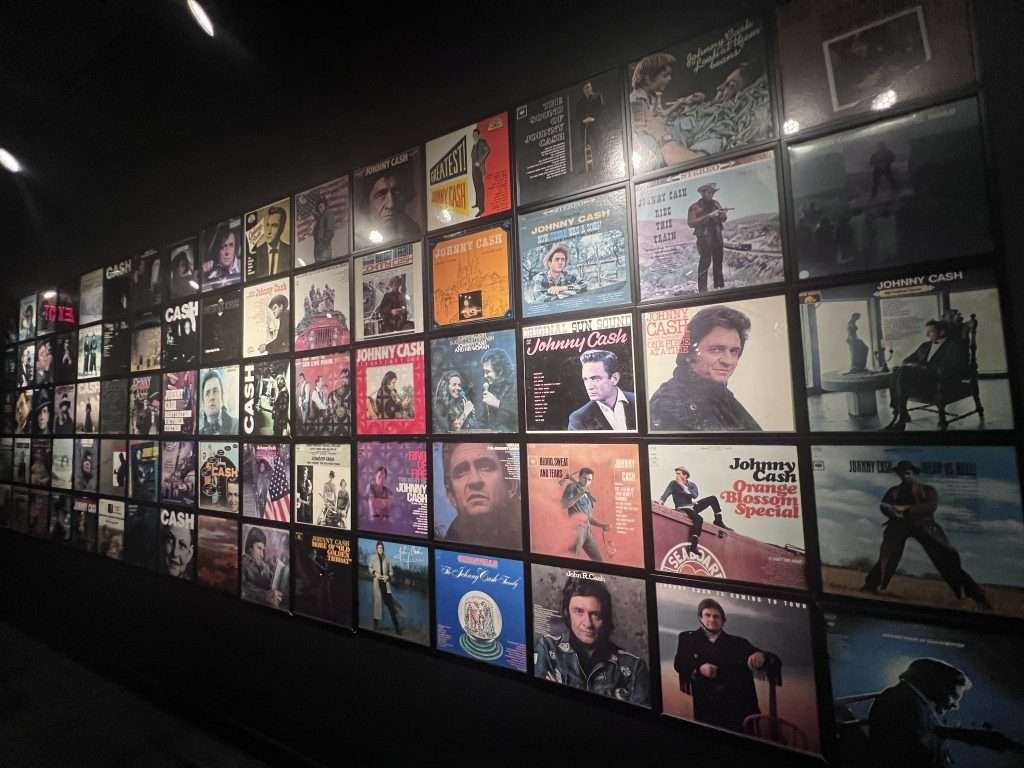
For any true admirer of American music, a pilgrimage to Nashville’s Johnny Cash Museum is not merely recommended—it’s essential. Nestled in the vibrant heart of downtown at 119 3rd Ave S, this institution stands as a meticulously curated, heartfelt tribute to the legendary “Man in Black.” Far from being a simple collection of artifacts, the museum offers an intimate journey through Cash’s extraordinary life, a narrative woven with the threads of his iconic music, personal struggles, and enduring triumphs.
From the moment you step inside, it’s clear this isn’t just about the hits; it’s about the man behind them. The exhibits begin with his humble beginnings, showcasing rare childhood photographs that offer a glimpse into the formative years of J.R. Cash in rural Arkansas. As you progress, the story unfolds chronologically, tracing his path from impoverished farm boy to global superstar. You’ll encounter deeply personal items, such as handwritten lyrics that reveal the raw emotion and poetic brilliance behind his most famous songs. These intimate glimpses into his creative process provide an unparalleled understanding of his artistry.
The museum masterfully navigates the complexities of Cash’s life, presenting a balanced portrayal that doesn’t shy away from his challenges. Alongside displays celebrating his groundbreaking music career and unparalleled success—including an impressive array of his actual stage costumes and the gleaming Grammy awards he so deservedly earned—there are equally poignant exhibits addressing his well-documented battles with addiction. These sections are handled with sensitivity and respect, highlighting his resilience and the profound impact these struggles had on his life and music.
A significant portion of the museum is dedicated to the enduring love story between Johnny Cash and June Carter. Through letters, photographs, and personal anecdotes, visitors gain insight into one of country music’s most iconic partnerships, underscoring the deep affection and mutual support that defined their relationship. Another compelling focus is his late-career renaissance, particularly his remarkable collaboration with producer Rick Rubin. These exhibits showcase how Rubin’s minimalist approach allowed Cash’s raw talent and weathered wisdom to shine through, introducing him to a new generation of fans and cementing his status as a timeless American artist.
One of the most profoundly moving displays is a segment of the actual stone wall from his beloved lakeside home in Hendersonville, Tennessee. This tangible piece of his personal sanctuary offers a powerful, almost spiritual connection to the private world of Johnny Cash, allowing visitors to stand in the metaphorical shadow of his cherished residence.
To truly absorb the rich tapestry of Cash’s life presented here, visitors should allocate at least an hour. However, for those who relish delving into every detail—reading every plaque, watching every video clip of interviews and performances—a longer visit is highly recommended. The chronological flow of the museum’s layout ensures a coherent and compelling narrative, guiding you seamlessly from his early influences to his final, reflective recordings.
Hendersonville Memory Gardens
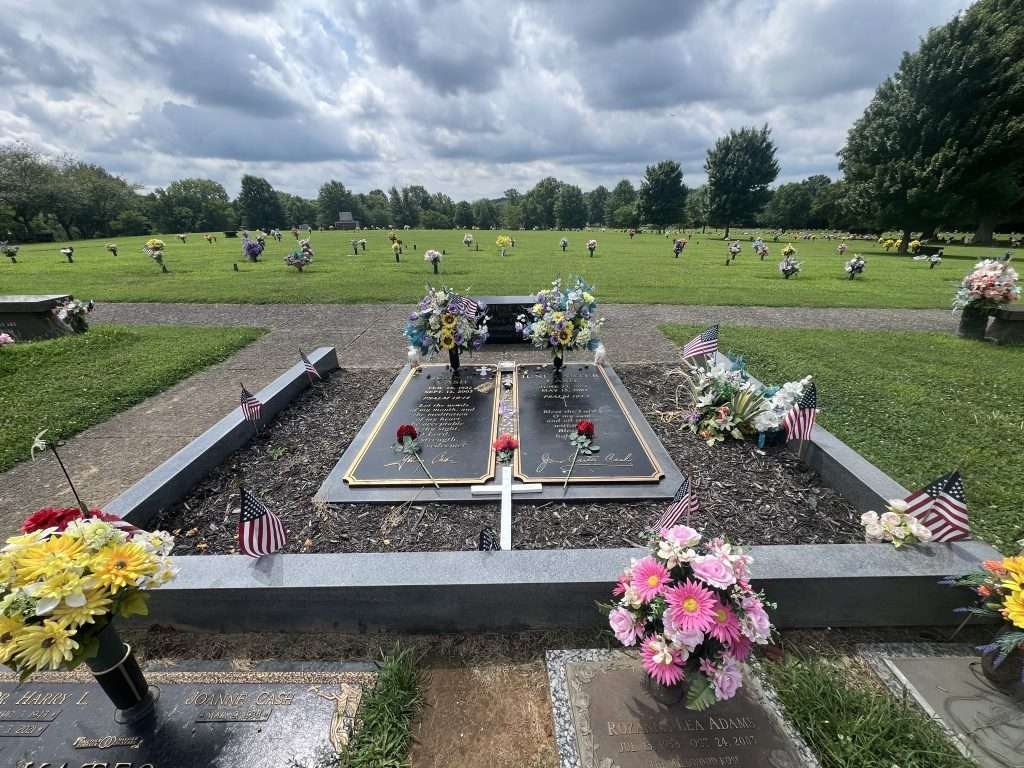
Just a short drive from the former Cash home is Hendersonville Memory Gardens, where Johnny and June are buried side by side. Their simple headstones read “J.R. Cash” and “June Carter Cash,” a modest marker for two towering figures in American music. The cemetery is open to the public, and it’s a surprisingly peaceful place to reflect on Cash’s life and legacy.
Many visitors leave guitar picks, flowers, or notes at the gravesite. If you go, take a moment to read the nearby memorials for other country greats, as several notable musicians rest here as well.
Ryman Auditorium
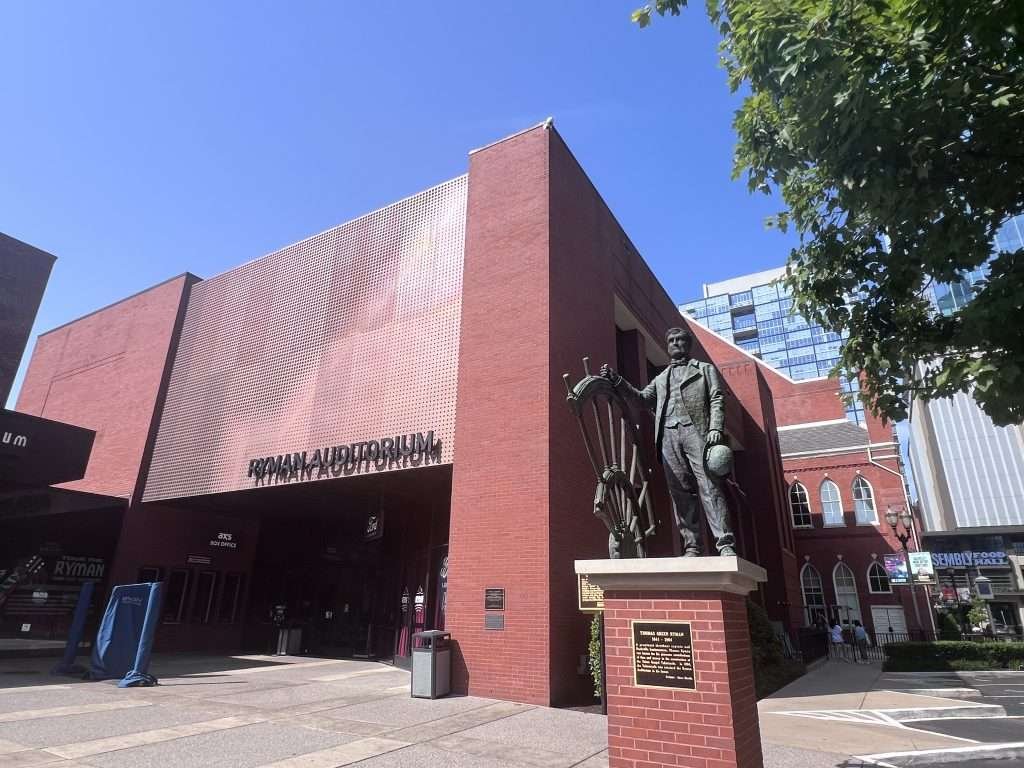
Johnny Cash’s connection to the Ryman Auditorium runs deeper, marked by numerous performances that showcased his evolving artistry and enduring appeal. The Ryman was where he solidified his “Man in Black” persona, often appearing in his signature dark attire, a stark contrast to the rhinestone cowboys of the era. It was on this stage that he frequently performed with the Carter Family, his future wife June Carter among them, creating a blend of gospel, folk, and country that resonated deeply with audiences. These collaborations were not just musical; they were a testament to the family bonds that would eventually define a significant part of his life.
The Ryman also bore witness to Cash’s more introspective performances, especially as he grappled with his personal struggles. He would often share a raw vulnerability with the audience, his deep baritone conveying a sense of hardship and redemption that many found relatable. These were the moments when the “Mother Church” truly lived up to its name, offering a sense of solace and connection between artist and audience. While the footlight incident remains a memorable anecdote, it’s just one piece of the rich tapestry of Johnny Cash’s history at the Ryman, a history filled with countless performances that cemented his legacy as a true icon of American music.
Exploring Johnny Cash’s Nashville is about stepping into the life of a man who turned pain into poetry and gave a voice to the outlaws, dreamers, and sinners in us all.
Is the Johnny Cash Museum worth visiting?

Absolutely. Even if you’re only a casual fan, the museum offers an intimate, well-curated glimpse into Cash’s life. Hardcore fans will especially appreciate the rare memorabilia and personal items.
Can you visit Johnny Cash’s house?
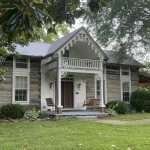
The original Cash home was destroyed in a fire, and the property is privately owned. However, many fans visit the street and gates. Please be respectful of current residents if you choose this location. However, there are many other places you can visit for Johnny Cash including his Hideaway Cabin
Where is Johnny Cash buried?
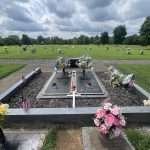
Johnny and June Carter Cash are buried at Hendersonville Memory Gardens, a short drive from downtown Nashville. The cemetery is open to the public.
Are there tours that include Johnny Cash landmarks?
Some Nashville music history tours include stops at the Ryman, Hendersonville Memory Gardens, and notable sites related to Cash. Check with local operators for current offerings. But this article allow you to follow along on your own.
When is the best time to visit these locations?
Spring and fall offer mild weather and fewer crowds. The museum is indoors and open year-round, while cemetery visits are pleasant in the morning or late afternoon.
Can you visit Johnny Cash’s Hideaway Farm?
Yes! The Storytellers Hideaway Farm & Museum in Bon Aqua, TN, is open to the public for tours and occasional live music events. It’s one of the most personal and authentic ways to experience Cash’s world, especially if you want to escape the bustle of downtown Nashville for a few hours.


Angela DiLoreto is a bestselling author, former Fortune 500 marketing executive, and a passionate advocate who successfully worked to change stalking laws in several states after a family friend was murdered by her stalker. That fight — for justice, for voices that weren’t being heard, for stories that needed to be told — runs through everything she does. She and her husband Vince travel the country by RV with their two rescue chihuahuas, Gracie and Loki, chasing history, great food, and the overlooked people and places that shaped America. Angela created Fitting in Adventure and the Historic Footnotes series because the best stories are usually the ones nobody’s heard yet.