
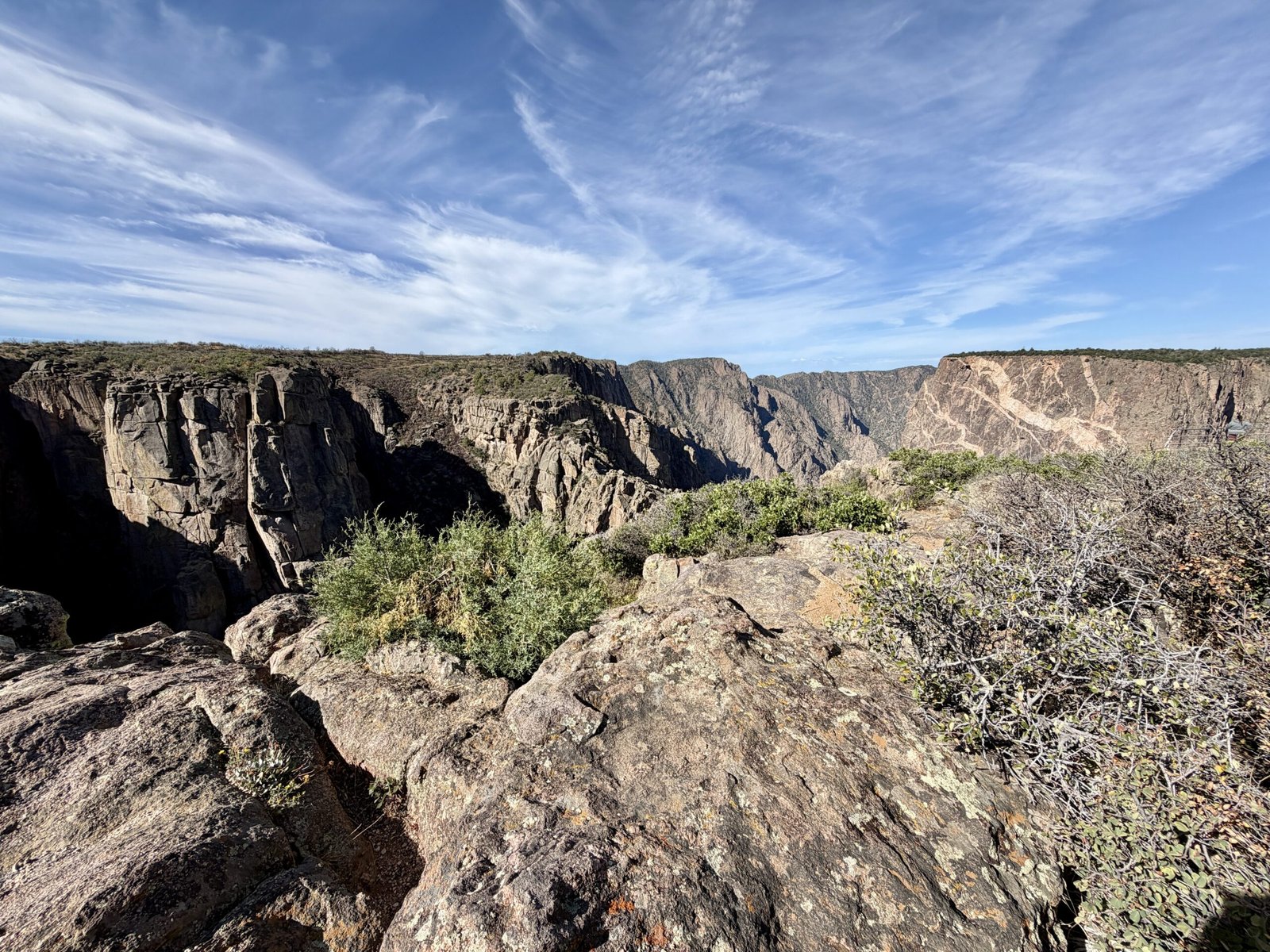
Canyon walls, peach country, hidden history, and a base camp that makes it all possible — a full guide to one week in Colorado’s overlooked western corner.
Disclosure: Some links on our site are affiliate links. If you purchase a linked item, we will make a commission, at no extra charge to you.
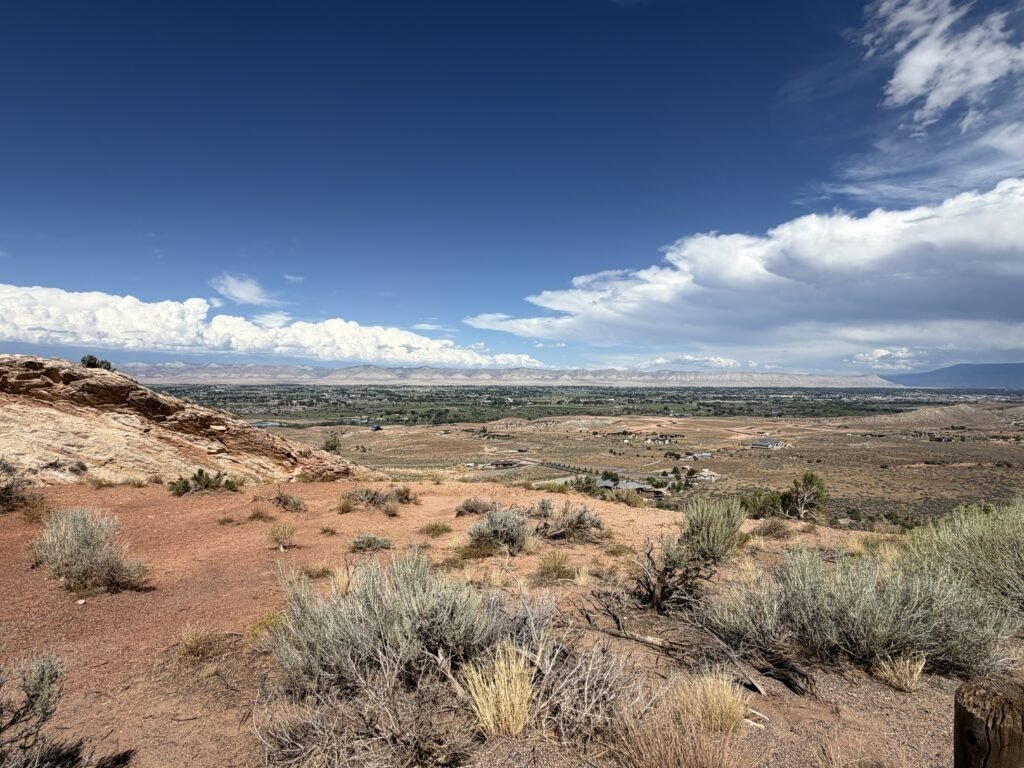
Somewhere on I-70, heading east out of Utah, the desert does something unexpected. It’s flat for a long stretch — scrub brush, pale dust, the kind of landscape that makes you adjust the seat and reach for coffee. Then the mesas rise. Not gradually. Quickly. Rust-colored walls climb out of nowhere against a blue sky so sharp it looks painted, and for a moment the scale of what you’re looking at doesn’t register. The Grand Valley opens wide, and Grand Junction, Colorado sits inside it like a city that knows exactly where it is and sees no reason to apologize for not being somewhere else.
We’d driven past this exit before. Not this time.
Grand Junction Doesn’t Try to Compete — and That’s the Point
Grand Junction sits at the confluence of the Colorado and Gunnison Rivers, ringed on three sides by red rock, with a flat-top mesa rising to 11,000 feet to the southeast. It’s two hours from Moab, three from Denver, close enough to both that most people treat it as a pass-through. That’s a mistake.
What’s here: two national parks’ worth of canyon geology, one of the largest natural arch concentrations outside of Arches, the geological center of one of North America’s most significant fossil fields, and peach orchards that have been producing since 1882 in soil so mineral-rich the fruit doesn’t taste like anything you’ve had before. And over all of it, on a clear summer evening, some of the most dramatic sunsets and moonrises within driving distance of a major highway.
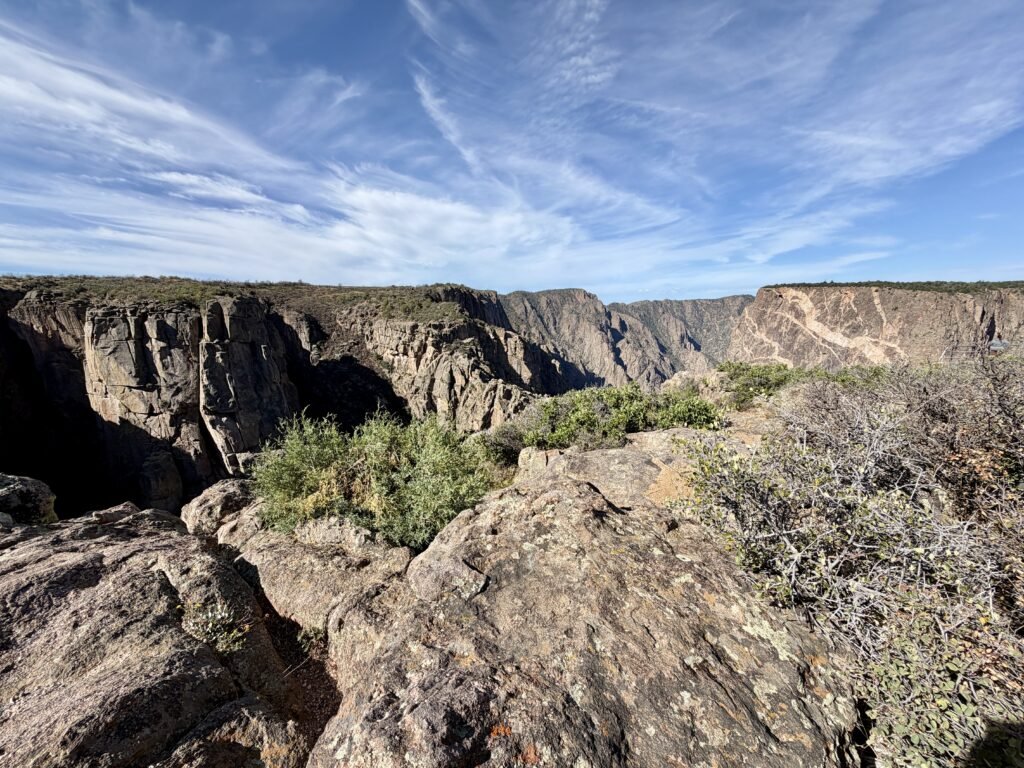
A week is enough to scratch the surface. Here’s where to start.
🏕 Where We Stayed — Junction West RV Park (hosted stay)
Junction West RV Park, Grand Junction CO | junctionwestrvpark.com
We were hosted by Junction West for our week in Grand Junction — wide sites, easy I-70 access, and everything on this list within a reasonable drive.
Disclosure: our stay was provided by Junction West RV Park. All opinions are our own.
Colorado National Monument + Rim Rock Drive
The canyon walls you saw from I-70 belong to Colorado National Monument — 23 square miles of Entrada sandstone formations, mesa tops, and canyon floors carved by two million years of erosion. Most visitors come for Rim Rock Drive, the 23-mile road that runs along the canyon rim from the Fruita entrance on the west to the Grand Junction entrance on the east.
Drive it early. By 10 a.m. in August the rock is radiating heat and the light has gone flat. Before that, the canyon walls catch the sun at an angle that turns them a color that doesn’t have a clean name — somewhere between rust and copper and orange, depending on where you’re standing.
No dogs are allowed on any trail inside the monument boundary. Rim Rock Drive and all overlooks are accessible with pets on leash. John Otto — who built these trails by hand and lobbied Congress for years to protect this land — was hired as the monument’s first custodian in 1911 at one dollar a month. He took the job. The trails he built are still here.
Black Canyon of the Gunnison National Park
Black Canyon of the Gunnison is 90 minutes southeast of Grand Junction, and it is one of the more disorienting places to stand in the American West. The canyon is 2,000 feet deep in places, less than 1,100 feet wide at its narrowest. What unsettled us wasn’t how far down the river was — it was how close the other wall was.
At the Painted Wall — Colorado’s tallest cliff face at 2,250 feet — neither of us said anything for a while. There wasn’t much to say. Dogs are restricted to paved surfaces only throughout the park; no trails of any kind.
Grand Mesa Scenic Byway
Grand Mesa is the largest flat-top mountain in the world. The byway climbs from 4,500 feet — high desert, red rock, juniper — to 11,000 feet in roughly 35 miles, moving through five distinct vegetation zones. At the summit the temperature had dropped so dramatically it took a moment to register. Then it started raining. The mesa has its own weather and it doesn’t negotiate.
The rain hit before we reached Land’s End Overlook — that one’s on the list for next time. Most of Grand Mesa falls within National Forest land where pets are welcome off-leash under voice control.
Palisade Peach Season
The town of Palisade sits 12 miles east of Grand Junction in a microclimate that produces peaches with a Brix sugar content measurably higher than most commercial varieties. We went to the farmer’s market on a morning in late August — busy but manageable, good energy, more peaches than was sensible to buy. We made ice cream from the recipe associated with Mary Mallon — Typhoid Mary — whose uncooked peach ice cream is believed to have been the primary vehicle for several of her typhoid outbreaks. Made with Palisade peaches, it was extraordinary.
Dinosaur Country — Fruita
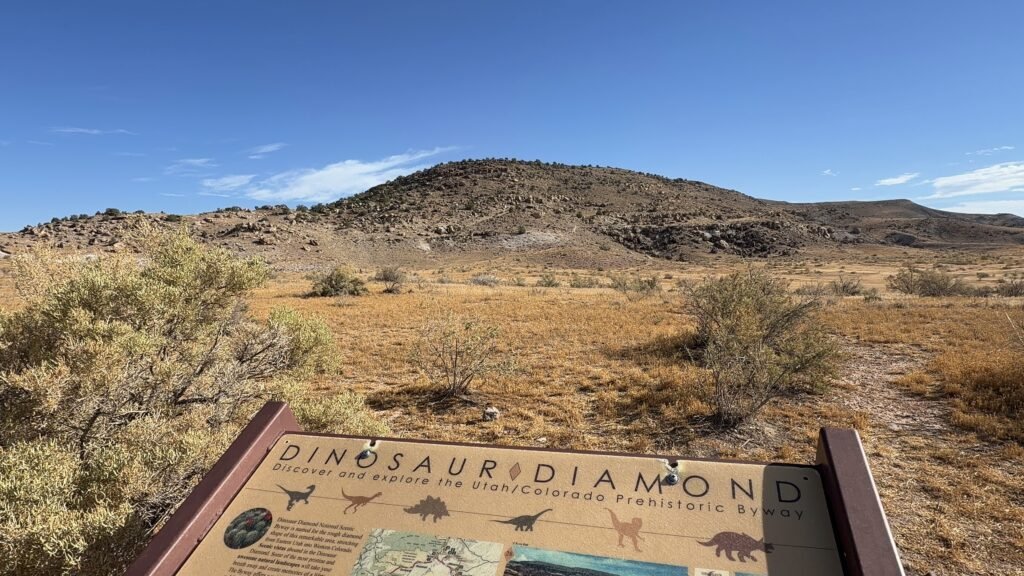
Fruita sits at the edge of the Morrison Formation — the most fossil-rich geological stratum in North America, and the ground where the Bone Wars between Cope and Marsh played out in the 1870s and 1880s. Trail Through Time at Rabbit Valley (16 miles west on I-70) is a 1.5-mile BLM trail where actual Jurassic-era bones are still in the ground. Free. No permit required.
The Dinosaur Journey Museum is best for families with children — the robotic exhibits are well-made but the overall collection runs sparse for adult visitors without kids. The Bone Wars exhibit is the strongest content in the building. Mike the Headless Chicken’s statue on Aspen Avenue is worth 15 minutes. Know the story before you go.
Dark Skies — North Fruita Desert
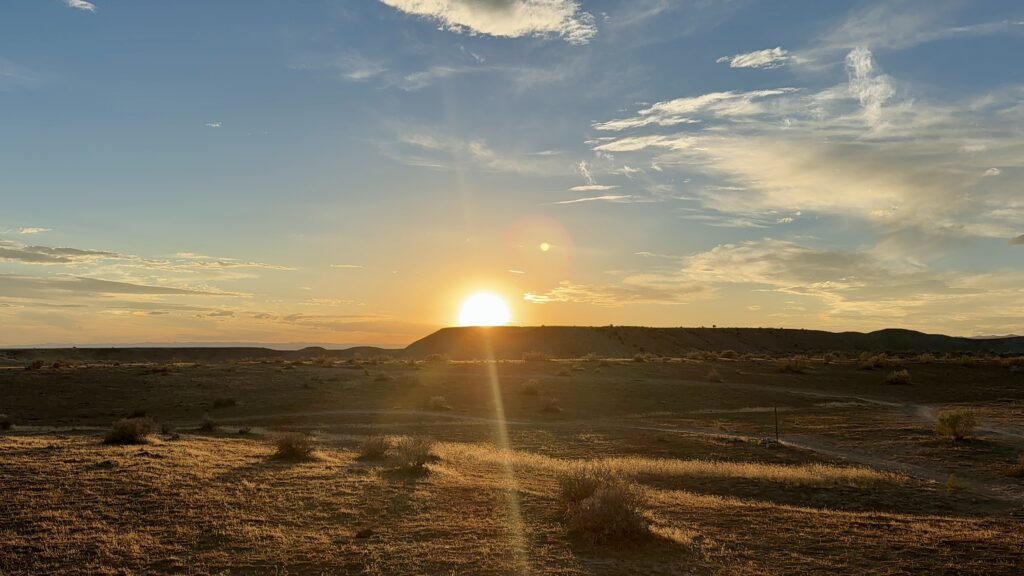
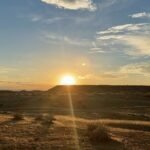
BLM land north of Fruita, 15 minutes from Grand Junction. We went out several nights chasing the Milky Way. Late August monsoon season moved in most nights and the full shoot didn’t happen — that’s the honest version. What we got instead were sunsets that turned the canyon walls colors we didn’t have names for, and a full moon rising over the red rock that was its own reward. If you’re chasing the Milky Way specifically, check the moon phase and the monsoon forecast. The location is right. August timing is a gamble.
Western Slope Vietnam Veterans Memorial
The Western Slope Vietnam Veterans Memorial in Grand Junction is easy to miss — tucked into a small space, not positioned for maximum visibility. Hard to forget once you’ve stood in front of it. The wall carries a large number of names from the rural communities of western Colorado, built because those communities felt their people weren’t reflected in the national monuments erected elsewhere. About 30 to 45 minutes to walk it properly, which is the right amount of time.
Planning Your Trip
When to go
Late August is peak peach season and the best window for evening photography. The trade-off is heat — Grand Junction averages 95–100°F. Plan outdoor activity before 10 a.m. or after 6 p.m. Summer monsoons can move in fast on Grand Mesa and in the desert.
Getting around
Everything on this list is accessible by vehicle. Grand Junction is a practical RV city — wide roads, easy navigation, most major stops have parking that accommodates larger rigs. Land’s End Road on Grand Mesa transitions to maintained dirt for the last 12 miles and is slow going in anything large.
Frequently Asked Questions
Is Grand Junction worth visiting for more than a day?
Yes. A single day covers Rim Rock Drive and the monument overlooks. A full week gives you canyon geology, peach country, Grand Mesa, dark skies, and history that most travelers never find. Most people underestimate it because they’re using Grand Junction as a base for Moab — it holds its own as a destination.
Can I visit Colorado National Monument with pets?
Pets are allowed at all overlooks and paved areas on a leash. No pets on any trail inside the monument boundary. Plan your visit as a scenic drive with overlook stops.
Can I bring pets to Black Canyon of the Gunnison?
Pets are allowed on paved surfaces only — overlook pullouts, parking areas, and paved roads. No trails of any kind. Every overlook is worth the stop.
When is the best time to visit for peach season?
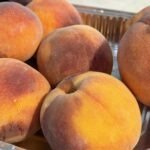
Late July through mid-September, peak in August. The Palisade Peach Festival runs the third weekend of August. Roadside stands operate throughout the full season.
Is Grand Junction good for RVers?
Very. Wide roads, practical infrastructure, and a strong RV park presence. Junction West RV Park, just off I-70, puts every destination on this list within a reasonable drive.
Explore More — Grand Junction
- Colorado National Monument + Rim Rock Drive — 23 miles of canyon rim and the man who built it by hand
- Black Canyon of the Gunnison — South Rim overlooks and the canyon’s remarkable geology
- Grand Mesa Scenic Byway — the world’s largest flat-top mountain, from high desert to alpine lake
- Palisade Peach Season — the market, the festival, and the history of the orchards
- Dinosaur Country — Fruita — Trail Through Time, Dinosaur Journey Museum, and Mike the Headless Chicken

Angela DiLoreto is a bestselling author, former Fortune 500 marketing executive, and a passionate advocate who successfully worked to change stalking laws in several states after a family friend was murdered by her stalker. That fight — for justice, for voices that weren’t being heard, for stories that needed to be told — runs through everything she does. She and her husband Vince travel the country by RV with their two rescue chihuahuas, Gracie and Loki, chasing history, great food, and the overlooked people and places that shaped America. Angela created Fitting in Adventure and the Historic Footnotes series because the best stories are usually the ones nobody’s heard yet.