
Towing an RV isn’t just about hooking up and hitting the road. Whether you’re a newbie or a seasoned RVer, mastering RV towing tips—especially for narrow, winding roads—can mean the difference between a smooth ride and a stressful ordeal.
Disclosure: Some links on our site are affiliate links. If you purchase a linked item, we will make a commission, at no extra charge to you.
From steep switchbacks to unexpected tight spots, every mile towing your RV presents challenges. This guide shares practical, real-world tips to keep you safe, confident, and ready for whatever the road throws your way.
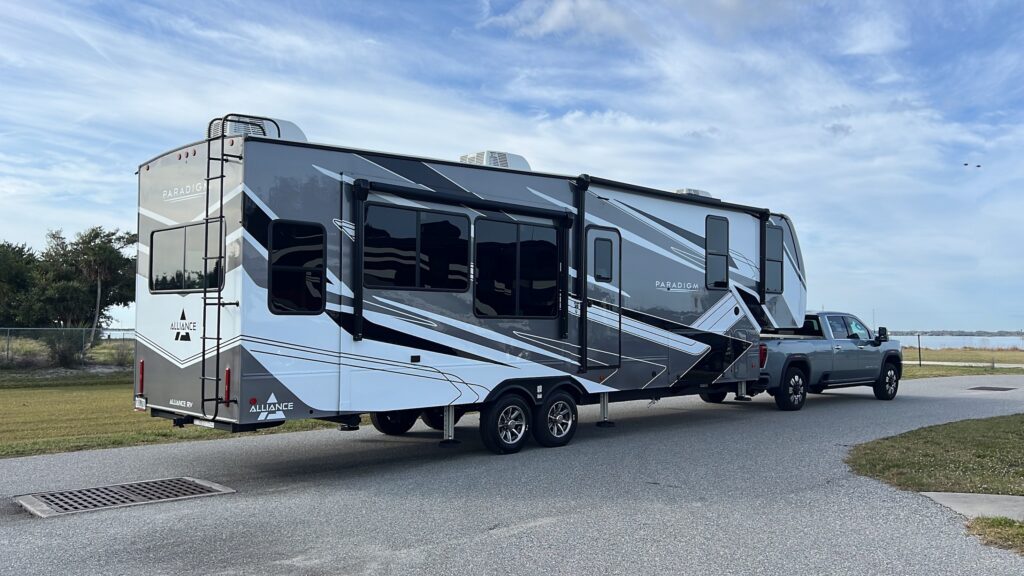
Know Your Rig: The Foundation of Safe RV Towing
Understanding your rig is the first critical step in mastering RV towing tips.
- Dimensions Matter: Know your RV’s length, width, height, and weight. These details determine which roads and bridges you can safely navigate.
- Turning Radius Awareness: Longer rigs need wider turns. Practice anticipating how your rig swings, especially on narrow or curvy roads.
- Braking Distance: Remember, towing adds mass—your stopping distance will be longer, so always plan ahead.
Key RV Towing Tips for Handling Narrow and Winding Roads
Narrow roads require patience and precision. Here’s how to keep control when the pavement tightens:
- Use Engine Braking on Descents: Slow down using your vehicle’s engine brake or downshift to avoid overheating your brakes.
- Avoid Panic Braking: Gently tap brakes rather than slamming them, especially on steep grades.
- Take Hairpin Turns Slowly: Swing wide when safe, and don’t hesitate to use both lanes if necessary to navigate tight curves.
- Maintain a Safe Speed: Slow and steady wins the race when the road narrows.

Planning Ahead: RV Towing Tips That Save the Day
Good planning reduces surprises and stress:
- Use RV-Specific GPS and Apps: Tools like RV Life, CoPilot RV, or Garmin RV help avoid low clearances, weight-restricted roads, and sharp turns.
- Carry a Printed Truck-Safe Atlas: This backup never runs out of battery and can guide you when tech fails.
- Preview Roads with Google Street View: Get a sneak peek at tricky intersections, driveways, and slopes.
- Call Your Campground When Booking: Ask about road access, narrow entrances, and recommended routes for big rigs.
- Read Reviews from Fellow RVers: Sites like Campendium or RV Life often highlight tough access roads and shortcuts to avoid.

Essential Rig Maintenance Tips for Safe Towing
Keeping your RV and tow vehicle in top shape is non-negotiable:
- Check Tire Pressure Daily: Use a tire pressure monitoring system to prevent blowouts caused by heat and road flexing.
- Test Trailer Brakes Regularly: Confirm your brake controller is working properly, especially before mountainous or winding trips.
- Secure Everything: Inside and out—loose gear can turn dangerous on sharp curves, and unlatched doors can cause accidents.

Staying Calm and Focused When Towing Your RV
Even with the best preparation, narrow roads can be nerve-wracking. Keep these tips in mind:
- Take Your Time: No need to rush—better to arrive late than damaged.
- Pull Over to Let Others Pass: Reduce pressure and keep traffic flowing smoothly.
- Communicate with Your Co-Driver: Clear, calm directions can make tricky spots manageable.
- Know Emergency Escape Points: Especially on steep descents, know where you can safely stop if needed.
Towing your RV, especially on narrow roads, is a skill built on preparation, patience, and respect for your rig’s limits. Follow these RV towing tips, plan ahead, and stay calm—you’ll turn those tight, twisty roads into memorable parts of your journey.
Happy towing, and safe travels!