
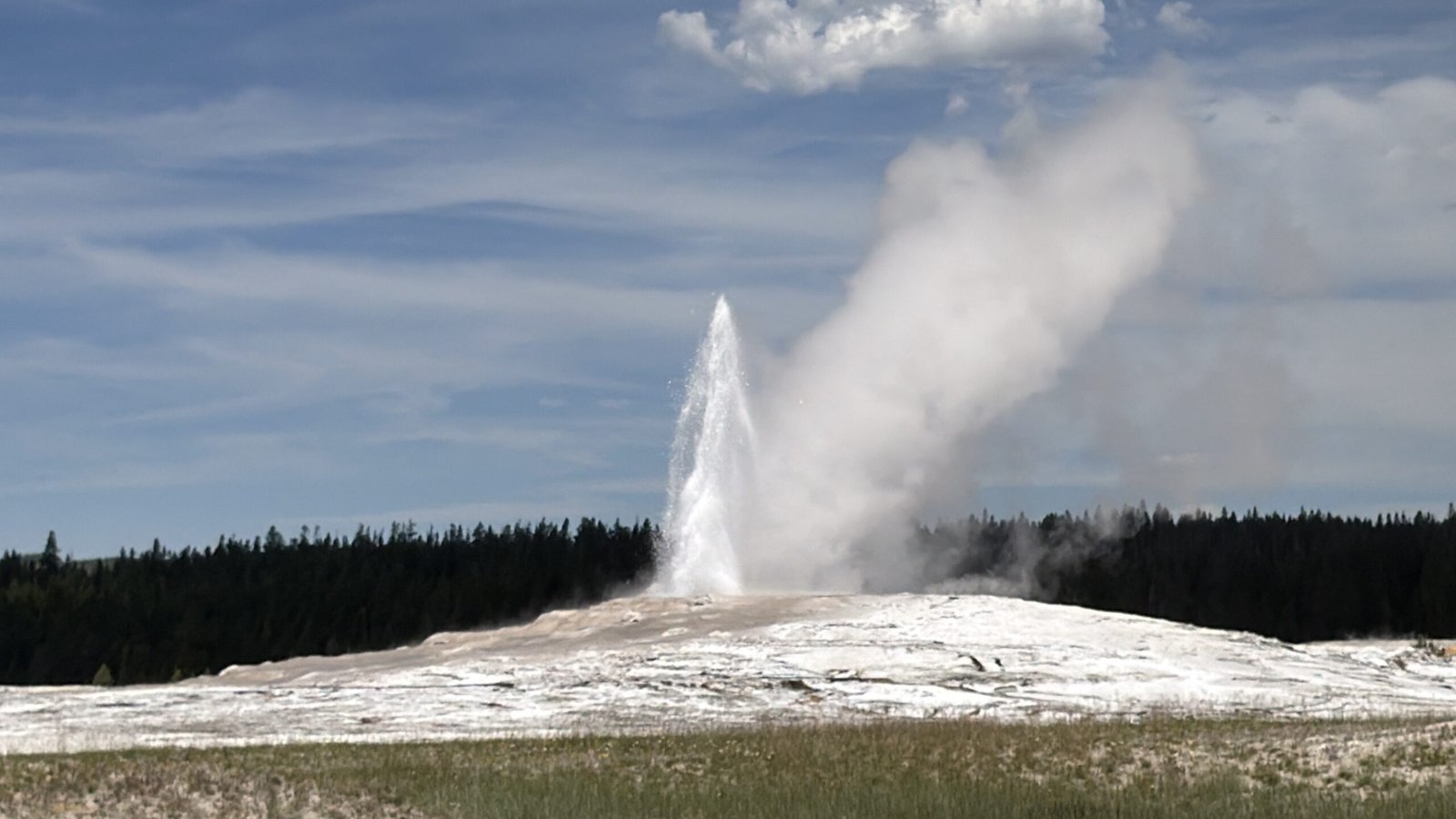
When we pulled into Yellowstone Valley Inn & RV Park and stepped outside for the first time, the canyon was right there. Not a backdrop, not something visible through a gap between buildings — walls of rock rising on both sides, the road west already cutting into the landscape. That was the moment Cody stopped being a dot on the map between home and Yellowstone and started being somewhere we actually were.
Disclosure: Some links on our site are affiliate links. If you purchase a linked item, we will make a commission, at no extra charge to you.
Most people treat Cody as a pass-through. Fill the tank, maybe grab lunch, keep driving toward the park. We almost did the same thing. We’re glad we didn’t.
Cody, Wyoming is two completely different places depending on where you look and what time of day you go looking. The downtown strip on Sheridan Avenue shifts between tourist-facing and genuinely local depending on the hour — early morning it belongs to the people who live here, by midday it belongs to everyone passing through. The Buffalo Bill Center of the West is a world-class museum complex that would anchor a major American city, sitting quietly on the edge of a town of ten thousand people. Ten minutes from that museum, the Absaroka Range fills every window and the wilderness that stretches between Cody and Yellowstone is as raw as anything in Wyoming.
It earns its reputation as a Yellowstone gateway. It also earns something more than that.
Why Cody Exists at All
Understanding Cody means understanding the man who built it, and understanding that man means accepting something slightly uncomfortable: Buffalo Bill Cody didn’t just found a town. He engineered one.
By 1896, William Frederick Cody was already the most famous entertainer in the world. His Wild West show had performed twice before Queen Victoria. Mark Twain had called it America’s most distinctly American export to the world. Buffalo Bill understood mythology — specifically, he understood how to manufacture it, package it, and sell it to people hungry for a version of the West that was already disappearing.
When he laid out the town that would carry his name, he wasn’t homesteading. He was building a destination. He convinced the Burlington Railroad to extend a line here. He opened the Irma Hotel — named for his daughter — in 1902, marketing it as the most modern hotel in the Rockies, a place travelers could use as a staging point for Yellowstone. He marked out the wagon road west toward the park, the same road that became the North Fork Highway you’ll drive every day you’re here. He built Pahaska Tepee, his hunting lodge at the Yellowstone border, because he understood that the journey to the park was part of the experience.
Buffalo Bill created Cody the same way he created his show: he saw what people wanted to see and he built the infrastructure to show it to them.
That history matters when you walk Sheridan Avenue today. The performed West and the real West have always existed here in the same frame. The trick is learning which is which.
Getting to Cody and Setting Up Base Camp
Cody sits at 4,997 feet in the Bighorn Basin, 55 miles east of Yellowstone’s East Entrance on US-14/16/20 — the North Fork Highway, also called the Buffalo Bill Scenic Byway. If you’re coming from the east or south, you’ll likely approach through the canyon corridor along the Shoshone River, which means your introduction to Cody is one of the more dramatic drives in Wyoming even before you’ve technically arrived.
For RV travelers, the positioning here is almost ideal. You’re close enough to Yellowstone to make day trips feasible — about two to two and a half hours to Old Faithful — but far enough that you’re not paying park-adjacent prices or fighting the congestion that surrounds the west and south entrances. The East Entrance sees roughly 7% of all Yellowstone visitors. That number tells you most of what you need to know about why this corridor works.
We stayed at Yellowstone Valley Inn & RV Park on the North Fork Highway, and The North Fork Highway runs past the entrance, which means the drive to Yellowstone begins the moment you pull out of the campsite.
The Buffalo Bill Center of the West
This is where we have to be direct about something: the Buffalo Bill Center of the West is not what most people expect. The scale of it is unexpected. The quality is unexpected. It is, without argument, one of the finest museum complexes in the American West — a Smithsonian affiliate housing five distinct museums under one roof, any one of which would justify the visit on its own.
Your ticket is good for two consecutive days. Use both of them.
The Buffalo Bill Museum covers the man himself — his childhood in Iowa, his Pony Express days at fourteen, the Wild West show, the mythology he built and lived inside simultaneously. The Cody Firearms Museum is the one that stops people. One of the largest and most significant firearms collections in the world, organized not as a catalog of weapons but as an American social history. The Plains Indian Museum is the most important museum in the complex and the one most visitors underestimate. The Whitney Western Art Museum surprises people who weren’t expecting art. The Draper Natural History Museum covers the Greater Yellowstone Ecosystem in a way that reframes everything you’ll see in the park.
Practical: 720 Sheridan Avenue. Parking is straightforward. Crowds manageable on weekdays. Two-day ticket — don’t try to do everything in one visit.
Old Trail Town
A mile west of downtown, on the edge of the original Cody townsite, Old Trail Town is one of the strangest and most honest places in Wyoming. Over twenty-five historic Western structures — saloons, cabins, a trapper’s camp, a smithy — relocated from across the region and reassembled on a single site alongside the Museum of the Old West. Nothing prepared us for how authentic it felt. Walk slowly. Read every sign. Give it two hours.
The Irma Hotel
Buffalo Bill named the Irma Hotel after his youngest daughter. He opened it in 1902, and it is still operating — still a hotel, still a bar, still alive. The cherrywood bar was a gift from Queen Victoria. Standing next to it is the kind of experience that travel occasionally produces and rarely promises. Go for a drink. The Irma is at 1192 Sheridan Avenue.
Buffalo Bill Dam
Five miles west of Cody on the North Fork Highway, the road narrows and Buffalo Bill Dam appears — a concrete arch spanning a gap in the rock so tight it seems impossible. When completed in 1910 it was the tallest dam in the world at 325 feet. The visitor center is free. Walk across the dam itself. Dogs are welcome outside. Stop every time you pass it — the light is different every hour.
Eating in Cody
Fat Racks BBQ is the local brisket answer. The smoke ring is real, the nachos are worth ordering, the patio is dog-friendly. Closes at 7PM weekdays, 4PM Saturday, closed Sunday.
Cody Cattle Company is not trying to be a restaurant. It’s trying to be an evening. All-you-can-eat BBQ buffet with family-style seating and live Western entertainment. Seating is communal at long tables — you will talk to strangers and it will be worth it. Nightly 5-7:30PM.
Cassie’s Supper Club is not primarily a food destination. The food is fine. You go for the building, which opened in the 1920s as a dance hall and saloon and has been continuously itself ever since. Go for a drink.
Dog-Friendly Cody
Beck Lake Dog Park has fenced lake access and separate areas for large and small dogs. Free, well maintained, and if your dogs swim, the best hour of their trip. Paul Stock Nature Trail and the Shoshone Riverway Trail are flat, river-adjacent, and welcoming to leashed dogs. Shoshone National Forest begins at your RV park door and allows dogs on all trails.
When to Go and How Long to Stay
July and August are the busy months. Stay on weekdays for Yellowstone visits and keep weekends for Cody-based activities. For the full experience of Cody plus meaningful Yellowstone time, plan at least seven to ten days. This is not a two-day stop.
What Cody Actually Is
Authenticity in Cody depends entirely on where you look and what you choose to engage with. The Buffalo Bill Center of the West is the real thing. Old Trail Town is the real thing. The North Fork Highway driving west toward Yellowstone at dawn is the real thing.
Cody is worth your time. Not because it’s a Yellowstone gateway, though it’s the best one. It’s worth your time because it holds a genuine tension between the West that was performed and the West that actually exists, and if you pay attention, you can see both on the same afternoon.
Planning a visit? Our complete guide to the Buffalo Bill Center of the West covers all five museums in detail. If you’re traveling with dogs, our guide to dog-friendly Cody and Yellowstone covers everything you need to know. And if you want to understand the man behind the town, we’ve written the history of how Buffalo Bill engineered Cody from the ground up.
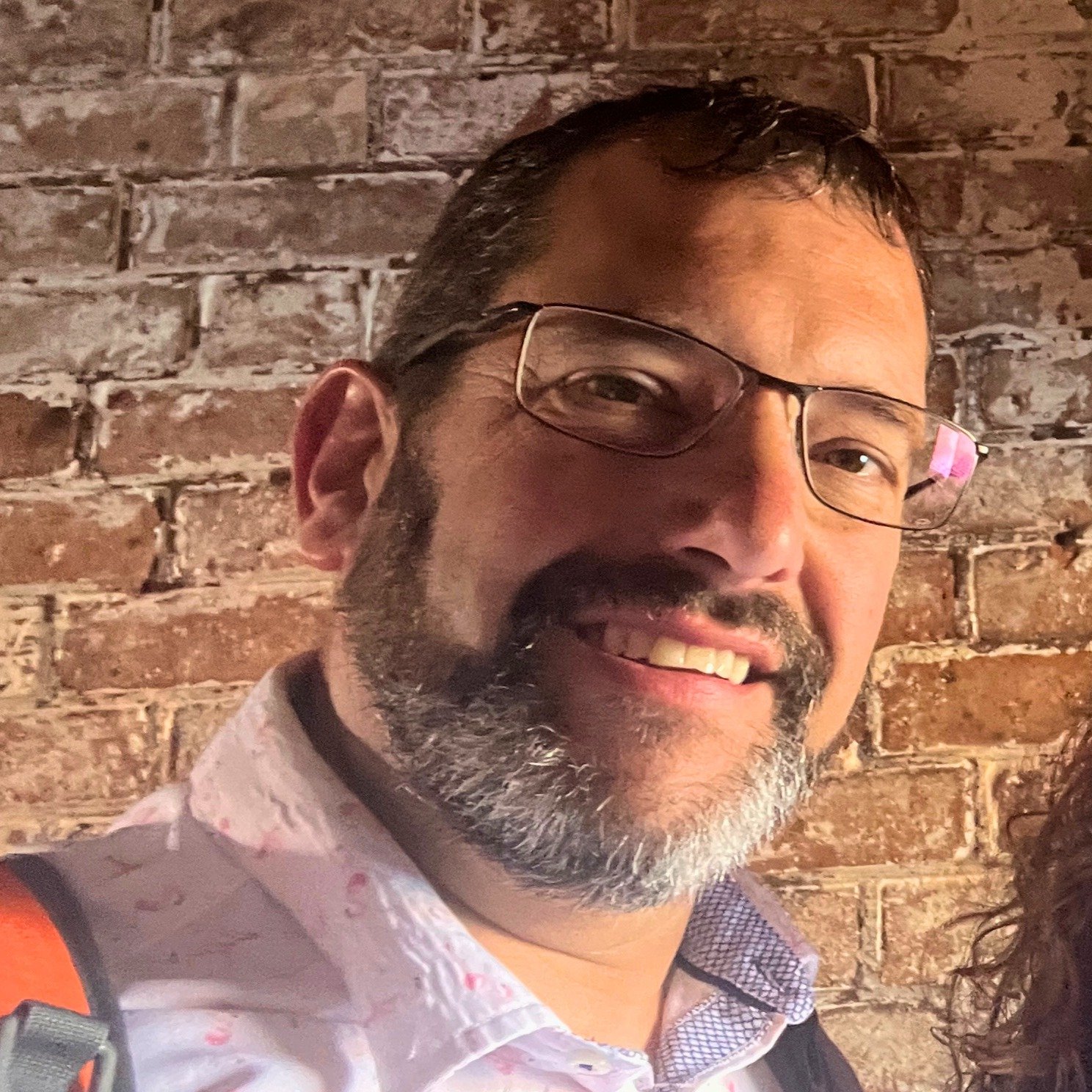
Vince DiLoreto spent 20 years in the United States Air Force seeing the world before deciding to see it properly — this time with a camera, an RV, and considerably better food. A trained photographer and the visual half of Fitting in Adventure, Vince captures the places, people, and moments that make every trip worth telling. When he’s not behind the lens, he’s behind the wheel, which means he’s seen every gas station between Florida and the Pacific Northwest.