
There are a lot of reasons people plan a trip to Florida—beaches, sunshine, maybe a theme park or two. But if you’re looking for something that feels bigger than a typical vacation moment, visiting Florida’s Space Coast delivers something you simply can’t replicate anywhere else.
Disclosure: Some links on our site are affiliate links. If you purchase a linked item, we will make a commission, at no extra charge to you.
A rocket launch isn’t just something you watch—it’s something you feel. The rumble hits your chest before your brain fully processes what you’re seeing. The sky lights up. Conversations stop. And for a few minutes, everyone around you is focused on the same thing: a machine leaving Earth.
What makes it even more compelling right now is this—these aren’t just launches. They’re part of a new era of space exploration where rockets return, land, and sometimes fly again just days later.
If you’re planning on visiting Florida’s Space Coast, this guide will help you do it right—where to watch for free, when to go, how to catch the booster return, and a unique follow-up experience most people completely miss.
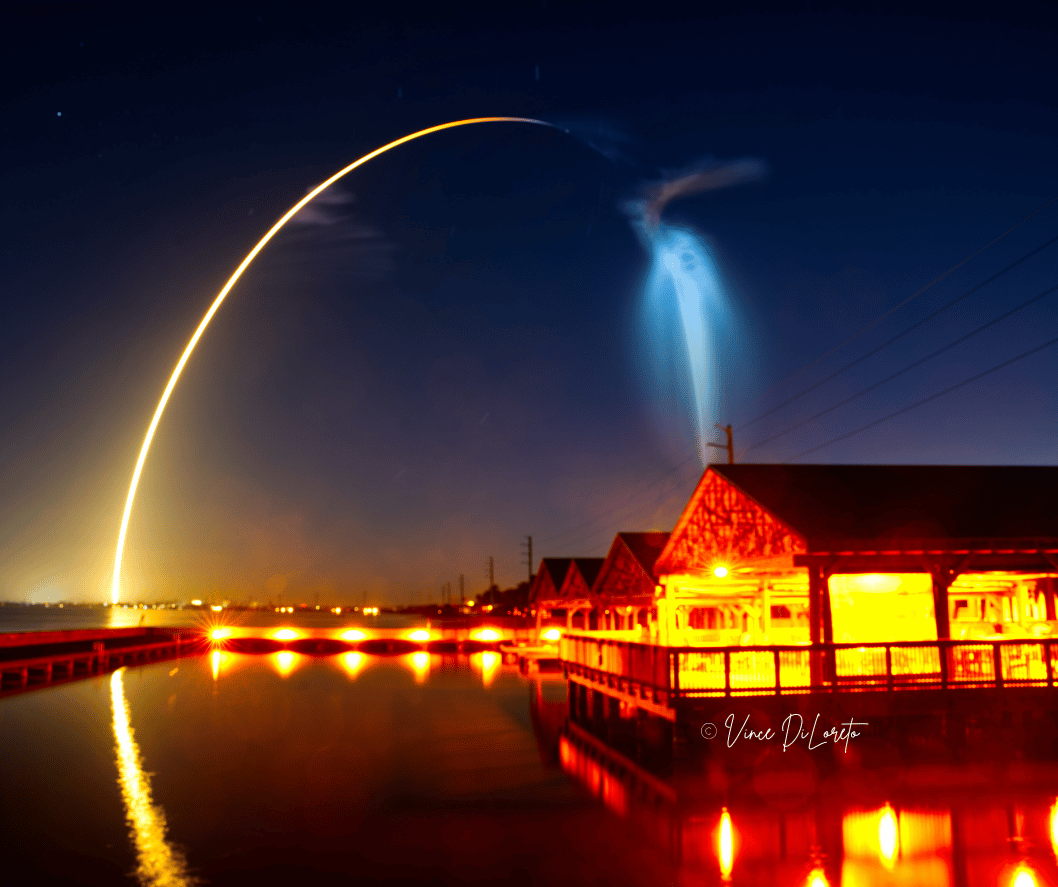
The History Behind Florida’s Space Coast
To really appreciate what you’re seeing during a launch, it helps to understand why this stretch of coastline matters so much.
The area around Cape Canaveral became central to America’s space program in the 1950s. Its location offered a major advantage: rockets could launch eastward over the Atlantic Ocean, reducing risk to populated areas while also benefiting from the Earth’s rotational speed.
From nearby Kennedy Space Center, some of the most important missions in history began—the early Mercury and Gemini missions that proved humans could survive in space, the Apollo missions that ultimately sent astronauts to the moon, and the Space Shuttle program, which made repeated space travel possible.
For decades, this region was synonymous with government-led space exploration under NASA. But in recent years, the story has expanded dramatically.
Private companies—most notably SpaceX—have transformed the Space Coast into one of the busiest launch sites on the planet. The region set a record with 109 orbital rocket launches in 2025, and the pace is expected to continue in 2026 with NASA’s Artemis II crewed mission, more SpaceX Falcon 9 flights, and ULA’s expanding Vulcan Centaur operations. The biggest shift in recent years? Reusable rocket technology.
Instead of discarding boosters into the ocean, rockets now return to Earth, landing either back at Cape Canaveral or on drone ships offshore. That means when you’re watching a launch today, you’re not just seeing a departure—you’re witnessing a full cycle.
It’s history in motion.
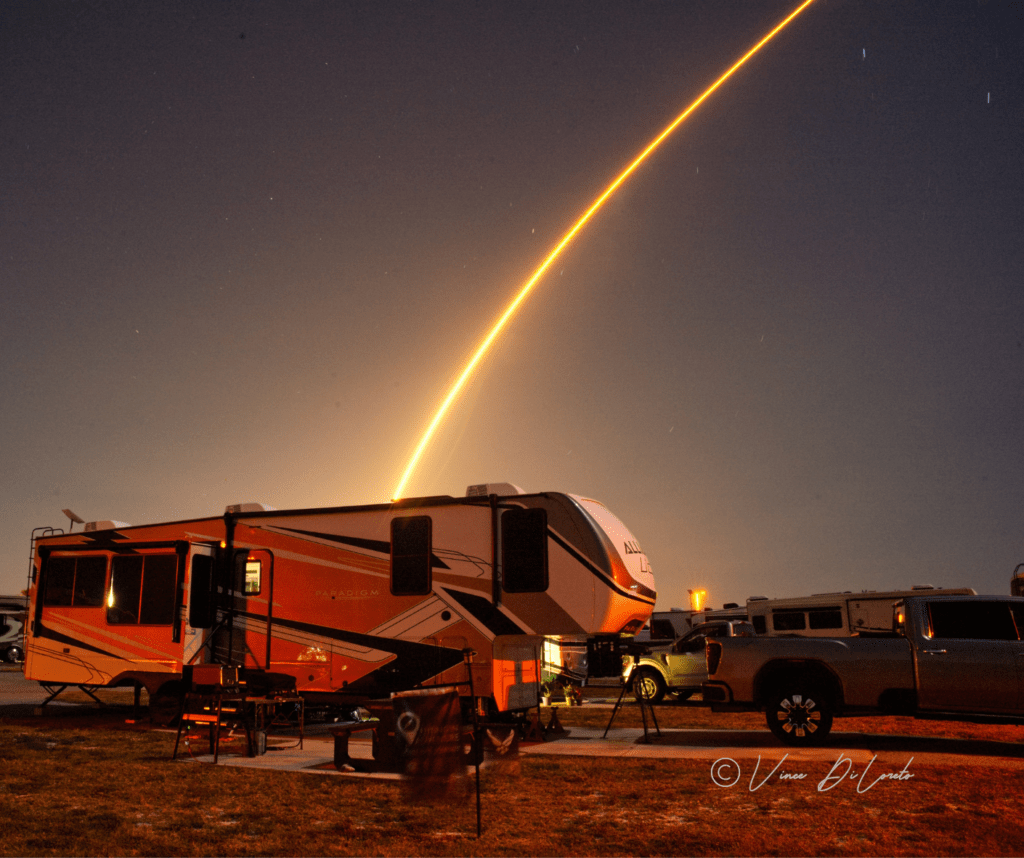
Best Time for Visiting Florida’s Space Coast for a Launch
Unlike seasonal attractions, rocket launches don’t follow a neat calendar. That said, timing still matters when planning your trip.
Launch activity on the Space Coast has increased dramatically in recent years. With over 100 launches per year now the norm, your chances of catching a launch are better than ever.
Weather, however, is a factor you can’t ignore.
Summer (June–September): Higher chance of thunderstorms and delays, but also more frequent launch windows.
Fall & Winter: Typically clearer skies and more comfortable temperatures for outdoor viewing.
Spring: A strong balance of weather and launch opportunities.
The biggest tip? Build flexibility into your schedule. Sending a rocket to space is a tricky business. Launches are often delayed or scrubbed, sometimes multiple times. The travelers who enjoy this experience the most are the ones who plan to stay a few extra days instead of hinging everything on a single launch window.
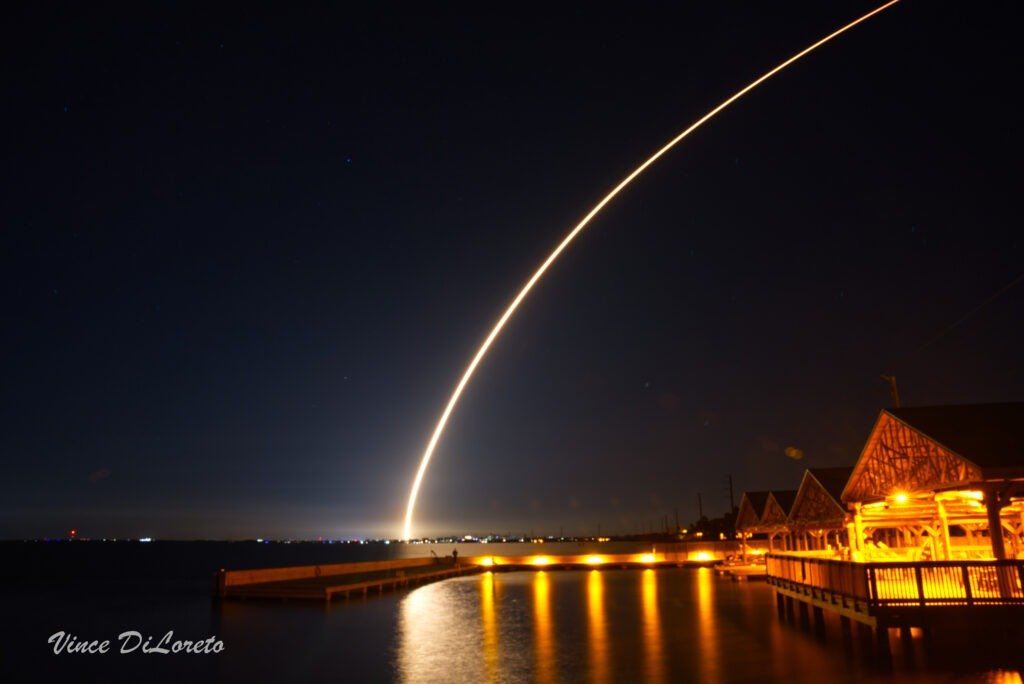
Free Places to Watch Rocket Launches
One of the best parts about visiting the Space Coast is that you don’t need an expensive ticket to have an incredible experience. Some of the most memorable views are completely free.
Titusville Waterfront Parks
The waterfront in Titusville offers some of the most reliable and accessible viewing on the Space Coast. Parks like Sand Point Park and Space View Park sit directly across the Indian River from the launch pads.
You’ll get a clear, wide view of the horizon, making these spots ideal for both casual viewers and photographers. The atmosphere is also typically less hectic than more tourist-heavy areas, which makes a real difference when you’re waiting through potential delays.
Cocoa Beach
Cocoa Beach is one of the easiest places to watch a launch if you want to keep things simple. You can spread out along the shoreline, avoid crowds by walking a bit further down the beach, and enjoy the experience without overplanning.
You won’t be the closest here, but the open sky view still delivers that unmistakable moment when the rocket breaks through the horizon.
Playalinda Beach
For those who want to get as close as possible without a special ticket, Playalinda Beach is hard to beat.
Located within Canaveral National Seashore, this area offers a direct line of sight to several launch pads with very little obstruction. It feels natural and undeveloped, which adds to the experience. There is a vehicle entrance fee of $25 per car (valid for 7 consecutive days), and access can be restricted or limited around certain launches. Always check the Canaveral National Seashore website for current access conditions before heading out, as storm damage has impacted portions of the park in recent years.
Low-Cost Viewing Options That Elevate the Experience
If you’re open to spending a little, a few locations offer a more structured viewing experience while still staying budget-friendly.
Jetty Park
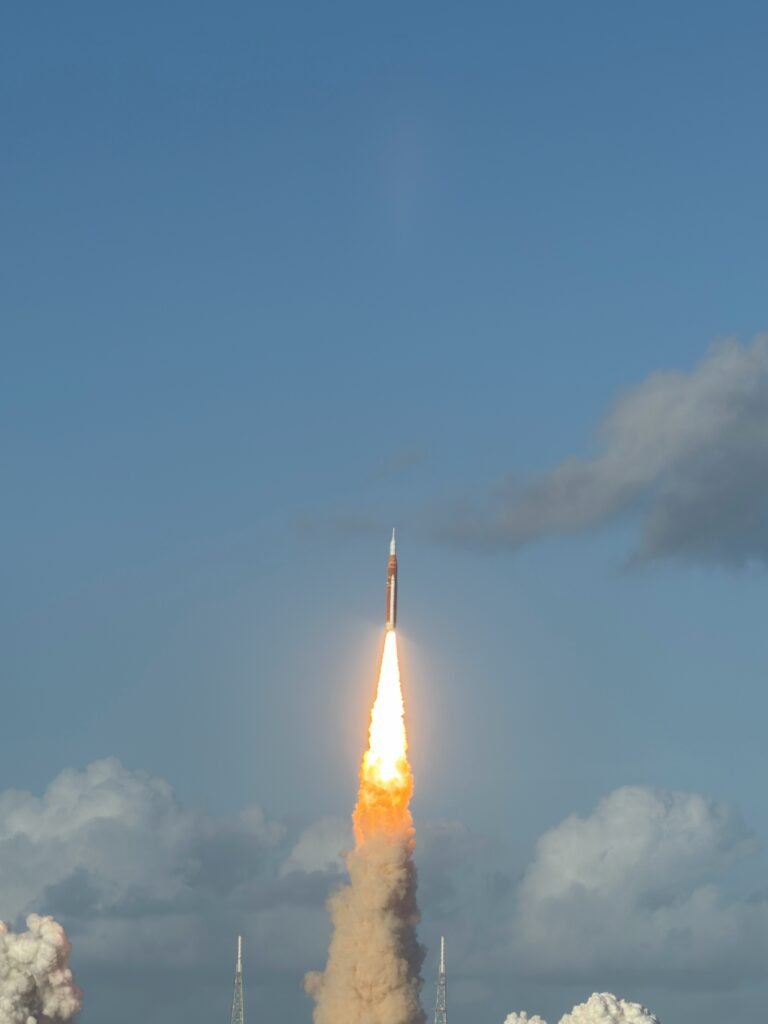
Jetty Park is one of the most popular launch viewing spots on the Space Coast for good reason. There’s a small entry fee, but in return you get one of the closest public vantage points available.
This is also one of the best places to watch rocket boosters return and land offshore, especially when they touch down on drone ships in the Atlantic.
Kennedy Space Center Visitor Complex
While not a low-cost option, Kennedy Space Center Visitor Complex offers ticketed viewing opportunities that can get you significantly closer to the launch pads, depending on the mission.
If this is your first time visiting Florida’s Space Coast, pairing a launch with time spent exploring the exhibits can turn it into a full-day experience rather than just a single event.
Don’t Leave Too Early: The Booster Return
One of the biggest mistakes first-time visitors make is packing up as soon as the rocket disappears into the sky.
With many SpaceX Falcon 9 launches from Cape Canaveral, the booster returns approximately 8 to 8.5 minutes after liftoff. If it’s landing at a nearby ground landing zone, you may hear a sharp double sonic boom before spotting it descending back to Earth.
Depending on the mission, the booster will either land on solid ground at Cape Canaveral Space Force Station or on a drone ship positioned offshore in the Atlantic.
Either way, this is one of the most fascinating parts of the entire experience—and a clear reminder that space travel has entered a completely different era.
The Next-Day Experience Most People Miss
Here’s where your trip can go from memorable to unforgettable.
If the booster lands on a drone ship, it’s typically transported back into port within a day or two. That means the day after a launch, you may have a chance to see the actual rocket booster up close—something most visitors never even think to look for.
Head to Port Canaveral and plan a casual lunch at Seafood Atlantic, a waterfront seafood restaurant and fresh fish market located at 520 Glen Cheek Drive. From the waterfront area, you may be able to spot the drone ship across the harbor with the booster still standing on its deck.
It’s a completely different perspective from launch night. The same piece of equipment you watched leave Earth is now sitting quietly in the harbor while boats pass by and people go about their day.
It makes the whole experience feel real in a way that’s hard to explain until you see it for yourself.
Types of Launch Viewing Experiences
When visiting Florida’s Space Coast, your experience can vary widely depending on how you approach it.
Some travelers prefer a laid-back beach setup—chairs in the sand, a cooler nearby, and a relaxed atmosphere leading up to launch. Others want a more structured experience with educational context and closer access.
If you’re traveling by RV, staying near the coast gives you the biggest advantage. You can adapt to schedule changes, avoid the stress of last-minute travel, and catch multiple launch opportunities during your stay.
The key is deciding what kind of experience you want and planning around that—not just the launch itself.
FAQs About Visiting Florida’s Space Coast
How do I find launch schedules? Launch schedules are updated frequently and can change quickly. The most reliable sources are NASA’s official website, SpaceX’s website, and dedicated tracking sites like Spaceflight Now and Space Launch Schedule. Always verify timing the day of your visit.
Can you see launches from far away? Yes. On a clear day, launches can be visible from miles away—even as far as Orlando under ideal conditions. But the closer you are, the more intense the sound, vibration, and overall experience.
What should I bring for launch viewing? Plan for comfort. Bring chairs, water, snacks, bug spray, and patience. Delays are common, so being prepared makes a big difference. Binoculars are a worthwhile addition, especially for watching the booster return.
Is it worth going if my launch gets delayed? Absolutely—if you approach it as more than a single event. Exploring the Space Coast, visiting the port, and giving yourself multiple chances to catch a launch all make the trip worthwhile.
Will I hear the sonic boom? If the booster is returning to a nearby landing zone, there’s a good chance you will. It’s loud, sudden, and one of those moments you don’t forget.
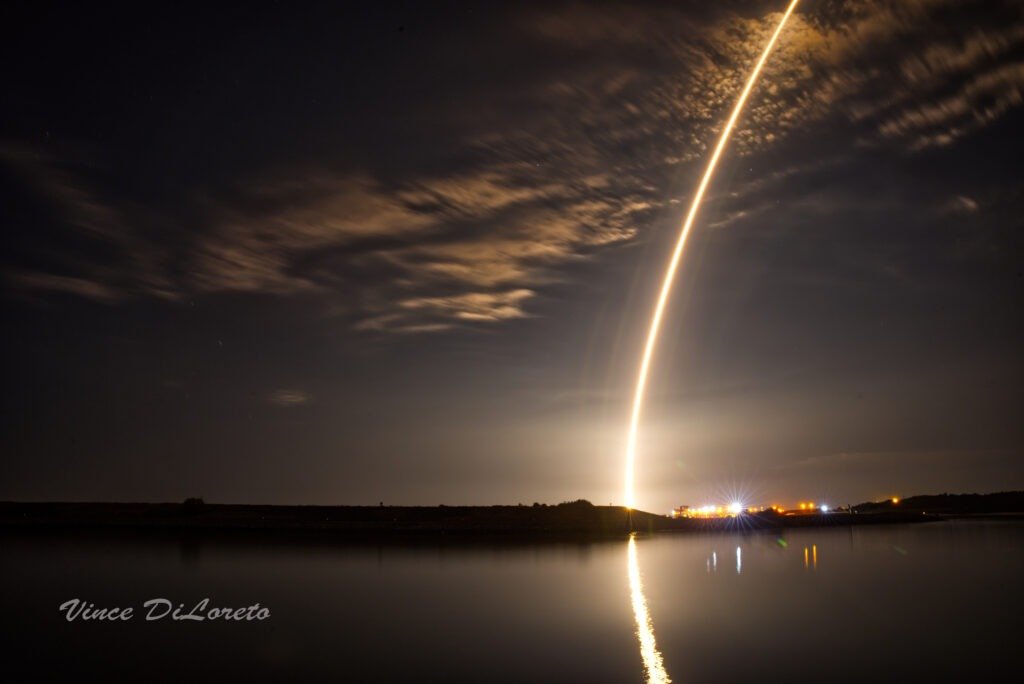
There’s something different about standing on a beach, looking out over the Atlantic, and watching a rocket climb into the sky.
You’re not just observing a launch—you’re witnessing progress. You’re seeing decades of history collide with the future in real time. And in some cases, you’re watching that same rocket come back, ready to fly again in a matter of days.
That’s what makes visiting Florida’s Space Coast so compelling right now.
It’s not just about what’s happened here—it’s about what’s still happening.
And if you time it right, you won’t just leave with photos or videos.
You’ll leave with a moment you actually felt.

Angela DiLoreto is a bestselling author, former Fortune 500 marketing executive, and a passionate advocate who successfully worked to change stalking laws in several states after a family friend was murdered by her stalker. That fight — for justice, for voices that weren’t being heard, for stories that needed to be told — runs through everything she does. She and her husband Vince travel the country by RV with their two rescue chihuahuas, Gracie and Loki, chasing history, great food, and the overlooked people and places that shaped America. Angela created Fitting in Adventure and the Historic Footnotes series because the best stories are usually the ones nobody’s heard yet.